
Austrian Castle Guide: Discover Historic Fortresses and Hidden Palaces

Austria boasts over 1,000 castles, palaces and fortresses. This makes it one of Europe’s richest destinations for anyone seeking an authentic Austrian castle experience. These structures range from fairytale-like alpine fortresses to grand Baroque Austrian palaces. Notable sites like Schönbrunn Palace and Eggenberg Palace have earned UNESCO World Heritage status. You might be interested in visiting a famous Austrian castle, finding an Austrian castle in mountains, or staying overnight at one of the unique Austrian castle hotels. We’ve created this complete guide to direct you through Austria’s most impressive historic sites.
Understanding Austria’s Castle Heritage
Medieval Fortresses vs. Baroque Palaces
Austrian castles fall into two distinct categories that reflect different historical purposes and architectural philosophies. Medieval fortresses served as defensive strongholds, built during times when protection from invaders was paramount. Hohensalzburg Fortress exemplifies this category. Construction began in 1077 under Archbishop Gebhard von Helfenstein as a simple bailey with wooden walls. The fortress grew over centuries. Ring walls and towers were added in 1462, and further expansion occurred between 1495 and 1519. Today, it measures 250 meters long and 150 meters wide, making it one of Europe’s largest medieval castles.
Baroque palaces emerged during the 17th and 18th centuries as symbols of wealth and cultural refinement rather than military might. Schönbrunn Palace served as the biggest summer residence of Habsburg rulers and featured 1,441 rooms. The Baroque style emphasizes decorative elements like sculptures, marble, stucco and gilded objects. Belvedere Palace, designed by Johann Lukas von Hildebrandt in the 18th century, showcases this ornate esthetic with its striking yellow facade and grand interiors that house Austrian art collections.
The Habsburg Legacy in Austrian Architecture
The House of Habsburg shaped Austrian architecture over three centuries and left an indelible mark on the country’s cultural map. Their patronage transformed Vienna and other Austrian cities into showcases of imperial power. Schönbrunn Palace demonstrates this influence, with its history spanning over 300 years and reflecting the changing tastes of successive Habsburg monarchs.
Habsburg architecture introduced the concept of Gesamtkunstwerk, a masterly fusion of many art forms where gardens, buildings and interior design are the foundations of an organic whole. This approach meant palaces couldn’t be separated from their surrounding landscapes. The baroque gardens at Schönbrunn, with structures like the Gloriette and Roman ruins, were designed to glorify the House of Habsburg while paying homage to nature.
The Hofburg Imperial Palace in Vienna’s heart served as the Habsburg winter residence for over 600 years. It now functions as the official residence of Austria’s President while offering public access to imperial apartments and the Sisi Museum.
UNESCO World Heritage Castle Sites
Two Austrian palaces have earned UNESCO World Heritage status for their exceptional cultural significance. Schönbrunn Palace received this designation in 1996 (↱ UNESCO World Heritage List) and was recognized as an outstanding Baroque ensemble that preserves evidence of modifications across several centuries. The palace represents Habsburg power from the late 17th to early 20th century and embodies the ascent and splendor of the Habsburg Empire at its peak in the early 18th century.
Eggenberg Palace in Graz earned UNESCO recognition as part of the City of Graz Historic Center. The palace reflects artistic and architectural movements from Germanic and Balkan regions and has served as a cultural crossroads for centuries. The castle and its gardens have managed to keep satisfactory architectural integrity, with the baroque interior on the first floor showing excellent authenticity.
Top Austrian Castles by Province
Each Austrian province offers distinct castle experiences shaped by local history and geography. Vienna’s imperial grandeur contrasts with alpine fortresses perched on mountain peaks. The regional diversity provides options for every type of castle enthusiast.
Vienna’s Imperial Palaces
Schönbrunn Palace draws 3,800,000 visitors annually and is Austria’s most visited palace complex. Multiple ticket options range from €28 for State Apartments to €38 for the full Palace Tour. The Hofburg Palace complex served as the Habsburg residence for 600 years. It now functions as one of the world’s biggest palace complexes. You’ll find the Sisi Museum, Imperial Apartments, and the Silver Collection within its walls. Each offers distinct views on Habsburg court life.

Salzburg’s Historic Fortresses
Salzburg province presents four major castle experiences managed collectively. Hohensalzburg Fortress covers 32,000 square meters and ranks as one of Central Europe’s largest castle complexes. Adult admission costs €15.50, with children aged 6-14 paying €6.30. Hohenwerfen Castle stands 155 meters above the Salzach Valley and features daily falconry demonstrations at its historic Salzburg Falconry Center. Mauterndorf Castle serves as both a regional museum and cultural center further south. Medieval banquet experiences are available at the Burgschenke. Klammstein Castle in Gastein Valley opens daily from 11 am, Tuesday through Sunday. It offers both museum tours and a castle tavern.

Lower Austria’s Castle Treasures
Lower Austria combines dramatic ruins with fortresses that remain intact. Aggstein Castle Ruins sit 300 meters above the Danube Valley and offer stunning Wachau panoramas. The site features the legendary Rosengärtlein, a narrow rock needle where prisoners were held allegedly. Dürnstein Castle ruins gained fame as the 12th-century prison of English King Richard the Lionheart. Kreuzenstein Castle sits 265 meters above sea level near Leobendorf. It was reconstructed in the 19th century using medieval structures purchased from different parts of Europe. Adult tickets cost 12 euros. Heidenreichstein Castle remains Lower Austria’s largest preserved medieval moated castle and is still accessible via two original drawbridges.


Styria and Carinthia Highlights

Riegersburg Castle dominates the Styrian landscape from its position 450 meters high on an extinct volcano. The fortress features 3 kilometers of walls, 5 gates, and 108 rooms. Twenty-five rooms are open as museums. Herberstein Castle has been owned by the Herberstein family for 21 generations and combines historic architecture with 16th-century gardens.

Hochosterwitz Castle crowns a 172-meter dolomite rock near Sankt Georgen am Längsee in Carinthia. Visitors pass through 14 fortified gates along a winding access road. Landskron Castle sits 658 meters above sea level and conducts regular flying demonstrations at its falconry center.

Tyrol and Vorarlberg Mountain Castles
Ambras Castle in Innsbruck houses the Habsburg Portrait Gallery with over 200 portraits and extensive glass collections. Tratzberg Castle retains original furnishings from 1500, including late Gothic cupboards and inlaid tables. The castle offers both traditional guided tours and virtual reality experiences.

Schattenburg Castle in Feldkirch was built in 1200 by Duke Hugo von Montfort. It ranks among Central Europe’s best-preserved medieval fortresses. The castle features 18 rooms spread over 3 floors and is dedicated to Feldkirch’s history. Neu-Ems Castle (Schloss Glopper) sits 666 meters above sea level in Hohenems. Alt-Ems Castle Ruins stretch as Austria’s longest medieval castle at 740 meters elevation.

Visiting Austrian Castles: Practical Guide
You need to pay attention to seasonal schedules and booking requirements when planning your Austrian castle visits. Many historic sites adjust operations throughout the year.
Opening Hours and Seasonal Schedules
Castle operating hours vary substantially by season and location. Hohensalzburg Fortress operates year-round and opens from 9:30 AM to 5:00 PM during January through April and October through December. Extended hours from 8:30 AM to 8:00 PM run in May through September. Schönbrunn Palace maintains daily operations from 8:30 AM to 5:00 PM and extends to 6:00 PM during July and August.
Mountain fortresses follow stricter seasonal patterns due to weather conditions. Hohenwerfen Castle opens only from spring to late fall, from April through early November, and closes during winter months. Hochosterwitz Castle operates from May to October. Hellbrunn Palace and its famous trick fountains remain closed from November through March and reopen with varying hours from 9:30 AM through the warmer months.
Peak visiting times occur between 11 AM and 2 PM at major sites, especially at Belvedere Palace. You can avoid crowds if you arrive early or late in the day. Online ticket booking has become essential at popular destinations. Schönbrunn Palace recommends advance purchases due to very high visitor numbers, and short-term visits without prior booking are no longer guaranteed.
Entrance Fees and Tour Options
Pricing structures differ based on access levels and included amenities. Adults pay €20 to get standard admission at Schönbrunn, with children from age 6 paying €12, though children under 6 enter free. The Sisi Museum and Imperial Apartments require fixed admission times, with tickets at €20 for adults and €12 for children.
Students up to age 25 receive concessions by presenting valid international student identity cards (ISIC) at museum ticket desks. Disability discounts apply with valid identification, and visitors with 50% or more disability receive reduced admission that includes one accompanying person.
Photography Rules and Visitor Etiquette
Photography policies separate between interior and exterior spaces. Palace rooms at locations like Schönbrunn and the Hofburg prohibit photography whatever equipment type you use. This restriction protects delicate 18th-century furnishings and artwork from light damage.
Garden areas and palace courtyards welcome unlimited photography with no equipment restrictions. Museums prohibit tripods, selfie sticks, flash and similar photographic equipment. You cannot carry food and beverages into exhibition rooms.
Accessibility for Families and Seniors
Barrier-free access exists via funiculars and cable cars at mountain fortresses. Hohensalzburg offers accessibility through the FestungsBahn, but the footpath is too steep for wheelchairs. Hohenwerfen provides an inclined elevator, though only the castle courtyard remains barrier-free, and interior tours require navigation of 300 steps.
An elevator in the bell tower provides access to the castle courtyard, armory exhibition and marionette museum at Hohensalzburg. Visitors with walking impairments receive tablets with video tours of indoor areas at service centers. Those with hearing impairments can get tablets with video guides in sign language. Assistance dogs on leashes are permitted at all fortresses.
Schönbrunn Palace offers complete wheelchair accessibility. Lifts provide access to all exhibition areas, and three dedicated parking spaces are available at the main gate.
Austrian Castle in Mountains: Alpine Fortress Adventures
Alpine fortresses represent Austria’s most dramatic architectural achievements. They combine military engineering with breathtaking natural settings. Three castles stand out for their strategic mountain positions and remarkably preserved defensive systems.
Burg Hohenwerfen in Salzach Valley

Hohenwerfen sits 155 meters above the Salzach Valley, roughly 40 kilometers south of Salzburg. The fortress dates back over 900 years. Archbishop Gebhard built it between 1075 and 1078 as a fortified castle. Guided tours take you through hidden corners and secret passages, from the torture chamber to the panoramic bell tower. The fortress also houses two exhibitions: “Mythos Jackl – Sorcerers and Witches” explores witch trials, while the Austrian Falconry Museum covers falconry’s history.
Daily bird of prey demonstrations remain the highlight. Falcons, vultures, and eagles perform at 11:15 AM and 3:15 PM from April through early November. The falconers wear historical robes and explain this centuries-old art practiced at the historic Landesfalkenhof. These professionals work full-time, having passed hunter and falconer examinations. Some have completed forestry or veterinary training.
Kufstein Fortress in Tyrol
Kufstein Fortress commands attention at 507 meters above sea level. Emperor Maximilian I conquered it in 1504. He required his two most powerful cannons, Purlepaus and Weckauf, to be rafted from Innsbruck. The fortress served as a state prison during the Austrian-Hungarian Empire. It housed prominent prisoners including Hungarian author Ferenc Kazinczy in cells within the Kaiser Tower, which features walls seven meters thick.
The Heroes’ Organ was installed in 1931 as a World War I memorial. It contains 4,948 pipes and 46 stops. Daily concerts at noon fill Kufstein with organ music that can be heard up to ten kilometers away when wind conditions permit. The fortress well drops at least 70 meters deep and illustrates the self-sufficiency required for medieval sieges.
Hochosterwitz Castle in Carinthia
Hochosterwitz crowns a 172-meter dolomite rock. You can see it from 30 kilometers away on clear days. Its 14 fortified gates create a tactical masterpiece designed to shatter enemy momentum through blind curves and firing platforms. Legend maintains the castle was never taken by force, with each gate equipped with different defensive mechanisms.
An inclined funicular installed in 1993 covers 105 meters of elevation in 95 seconds. Walking the 620-meter pathway through all 14 gates takes 30 to 45 minutes. The armory holds a remarkable collection including a 14th-century bombard, possibly among the world’s earliest firearms.
Experiencing Castle Life Today
Modern castle experiences extend way beyond simple sightseeing and offer immersive ways to involve Austria’s medieval and baroque heritage.
Guided Tours and Historical Reenactments
Guided tours reveal areas that casual visitors cannot access. Tours at Hohenwerfen explore hidden corners, secret passages and the deepest dungeons. Burg Bernstein offers 50-minute historic tours conducted mostly outdoors. Entrance fees include a glass of Almásy sparkling wine in the Renaissance hall. Schallaburg Castle provides exclusive 75-minute winter tours that show areas not usually available.
Historical reenactments bring medieval life to vivid reality. Actors portray historical figures at various castles. Young visitors slip into roles of knights or ladies-in-waiting. Moosham Castle hosts cultural festivals and historical reenactments.
Castle Museums and Exhibitions
Fortress Hohensalzburg houses the best-preserved Gothic secular buildings in Europe within the Princes’ Rooms. The fortress contains several museums. The Great Armory features interactive attack and defense models. The Marionette Museum showcases UNESCO intangible cultural heritage.
Concerts and Special Events at Palaces
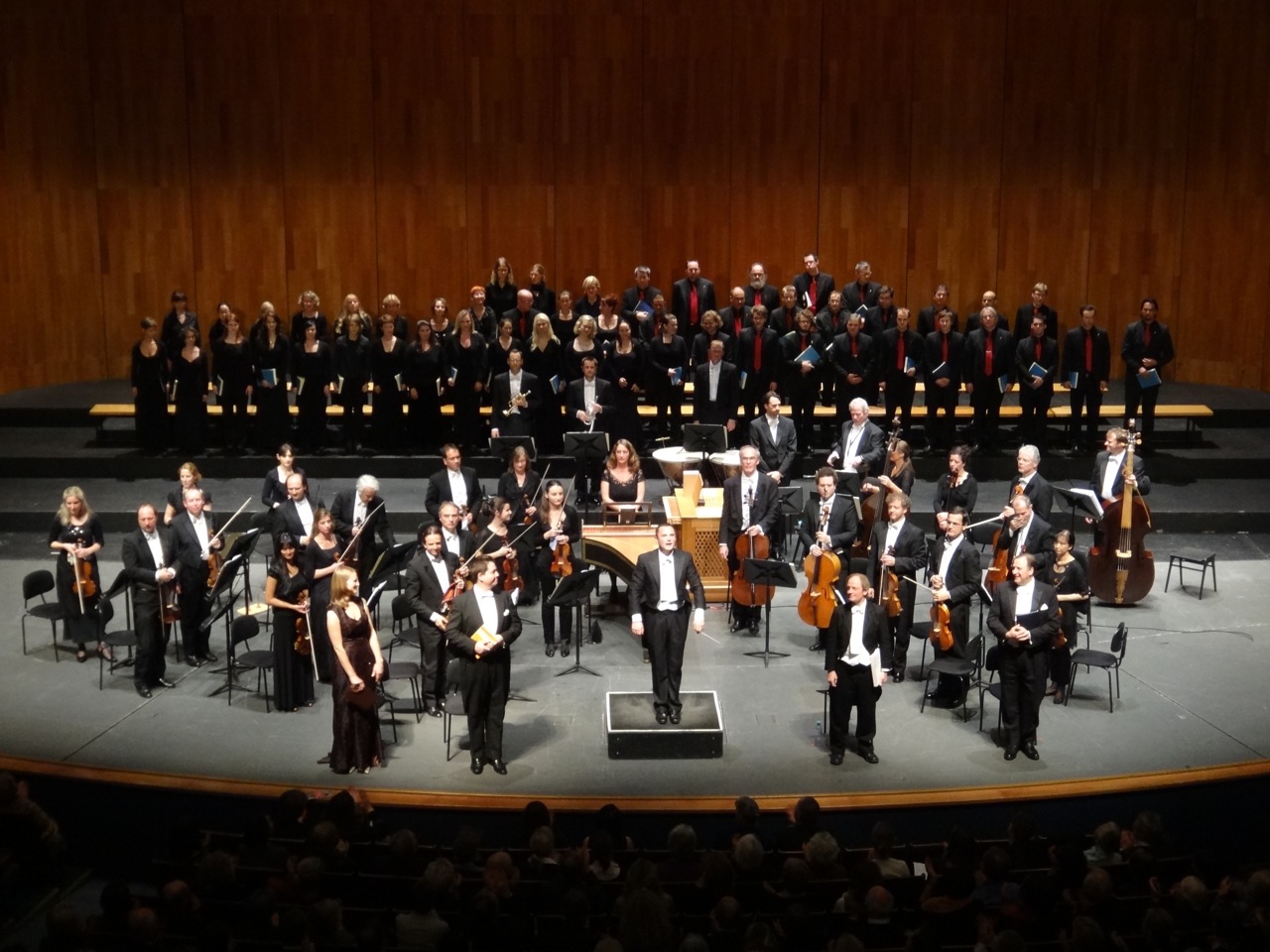
Classical concerts occur at historic venues. The Schönbrunn Palace Orangery hosts the Schoenbrunn Palace Orchestra with selections from Mozart and Strauss. Mozart performed there in 1786. Mirabell Palace offers concerts in its baroque marble hall, one of the world’s most beautiful concert venues.
Staying Overnight in Castle Hotels
Overnight stays transform castle visits into experiences through time. Old walls carry stories from past centuries. Creaking floors and light-flooded parlors bring history alive. Austria’s castle hotels combine historic charm with contemporary comfort.
Conclusion
Austria’s castle landscape offers something for every traveler, from Vienna’s imperial grandeur to alpine fortresses perched on mountain peaks. These sites are well preserved, and you can explore medieval defense systems and Habsburg heritage in all nine provinces.
We’ve covered the practical details to help you plan visits, whether that means booking timed tickets at Schönbrunn or staying overnight in castle hotels. Austrian castles aren’t just museums frozen in time but living spaces where history meets contemporary experiences.
Start with the castles matching your interests, and you’ll find out why Austria remains Europe’s premier destination for fortress enthusiasts.
FAQs
Q1. What is the difference between Austrian medieval fortresses and Baroque palaces?
Medieval fortresses were built primarily for defense and protection from invaders, featuring thick walls, strategic positions, and military architecture. Baroque palaces, on the other hand, emerged in the 17th and 18th centuries as symbols of wealth and cultural refinement, emphasizing decorative elements like sculptures, marble, stucco, and gilded objects rather than military function.
Q2. How much does it cost to visit Schönbrunn Palace?
Standard admission to Schönbrunn Palace costs €20 for adults and €12 for children aged 6 and above, while children under 6 enter free. Students up to age 25 can receive concessions by presenting a valid international student identity card. The palace offers various ticket options ranging from €28 for State Apartments to €38 for the full Palace Tour.
Q3. Are Austrian castles wheelchair accessible?
Accessibility varies by castle. Schönbrunn Palace offers complete wheelchair accessibility with lifts to all exhibition areas and dedicated parking spaces. Mountain fortresses like Hohensalzburg and Hohenwerfen provide funiculars or inclined elevators to reach courtyards, though interior tours may have limitations. Many castles offer tablets with video tours for visitors with mobility or hearing impairments.
Q4. What are the best times to visit Austrian castles to avoid crowds?
Peak visiting times at major castles occur between 11 AM and 2 PM. Arriving early in the morning or later in the afternoon helps avoid crowds. Online ticket booking in advance is essential at popular destinations like Schönbrunn Palace, as same-day visits without prior booking are no longer guaranteed due to high visitor numbers.
Q5. Can you take photos inside Austrian castles?
Photography policies differ between interior and exterior spaces. Inside palace rooms at locations like Schönbrunn and the Hofburg, photography is strictly prohibited to protect delicate furnishings and artwork from light damage. However, garden areas and palace courtyards welcome unlimited photography. Tripods, selfie sticks, and flash equipment are generally not permitted in museum areas.
Links
Wikipedia: Hohensalzburg Fortress
Wikipedia: Schönbrunn Palace
Hohensalzburg Fortress



.JPG)


.JPG)


