The Sound of Austria: From Mozart’s Birthplace to the Vienna State Opera
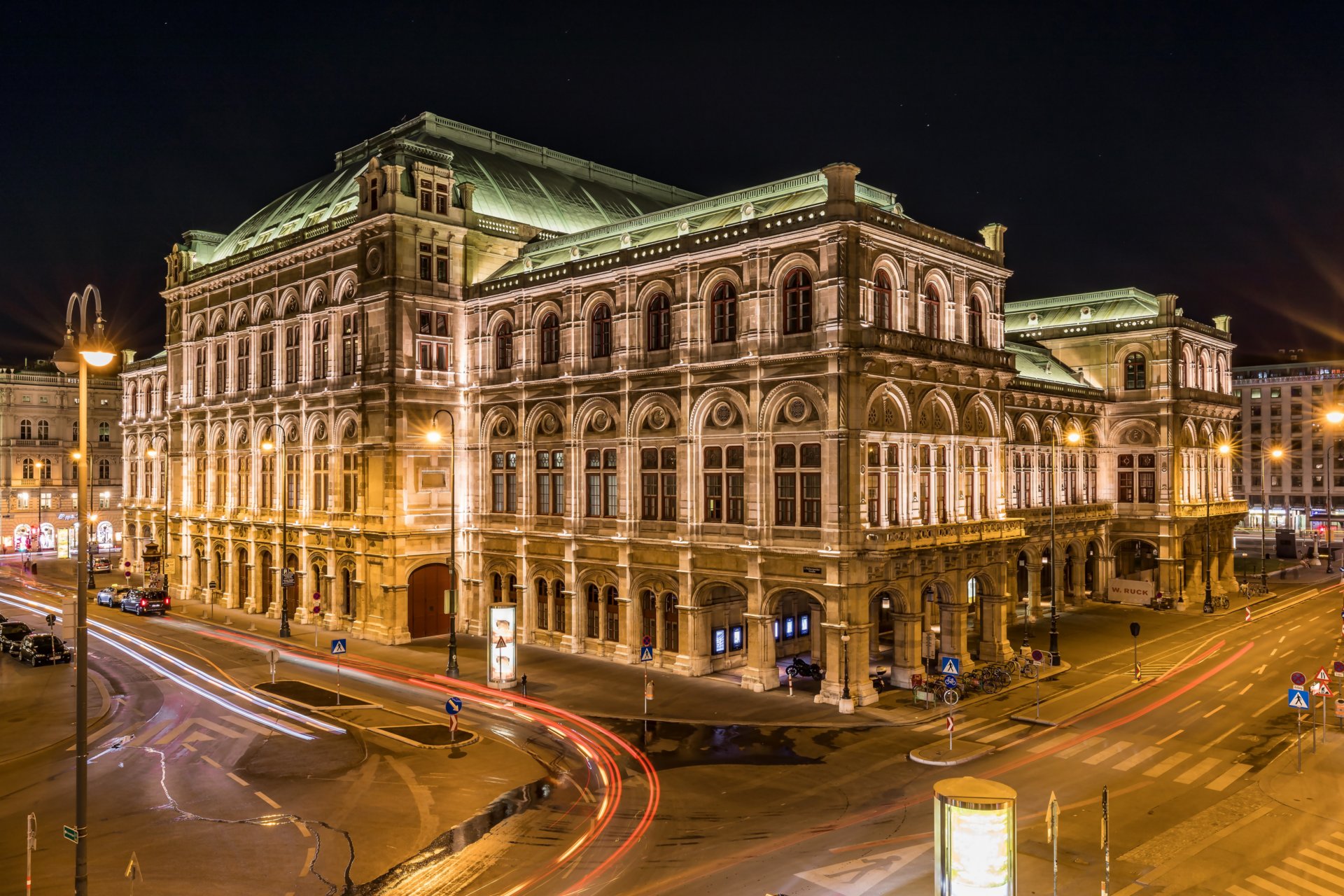
Vienna State Opera. Wiener Staatsoper. Image by Michael Kleinsasser from Pixabay
Austrian composers have shaped classical music in ways few other nations can claim, with legends including Mozart, Beethoven, Haydn, Schubert, and Strauss calling this country home. Vienna has celebrated its reputation as the City of Music for over 250 years, while Salzburg, Mozart’s birthplace, puts on more than 2,000 classical performances in its palaces and churches annually. This piece will take you through Austria’s most important musical landmarks, from the Vienna State Opera to Mozart’s birthplace in Salzburg. We’ll explore the lives of famous Austrian composers and find where to experience live performances today. You’ll understand why Austria remains the world’s music capital.
Salzburg: Mozart’s Birthplace and Musical Heritage
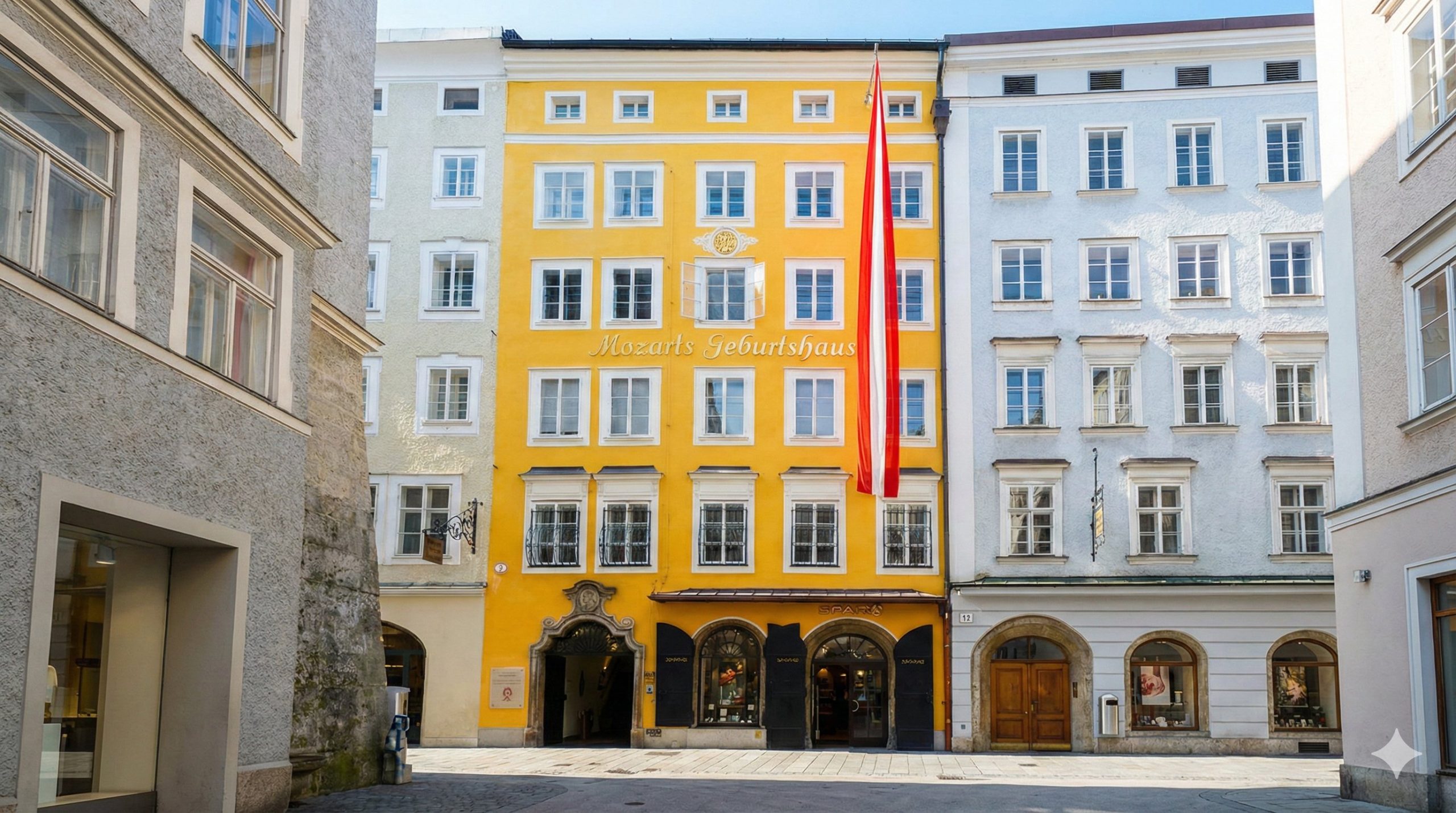
Mozart’s Geburtshaus in der Getreidegasse 9 in Salzburg
Walking through Salzburg feels like stepping into a living symphony. This alpine city has nurtured musical genius for centuries. You can still sense that creative energy in its cobblestone streets and concert halls.
Mozart’s Geburtshaus: Where It All Began
Wolfgang Amadeus Mozart entered the world on January 27, 1756 in the Getreidegasse 9. His family occupied this space for 26 years before moving in 1773. The building has operated as a museum since 1880 and draws visitors who want to connect with Mozart’s early life.
The museum houses Mozart’s actual instruments. You’ll find his childhood violin crafted by Salzburg court luthier Andreas Ferdinand Mayr in the 1740s. His clavichord sits behind glass with handwritten note from his widow Constanze. The note explains how Mozart composed The Magic Flute, La clemenza di Tito, and the Requiem on this very instrument. The collection has his fortepiano built around 1782 by Anton Walter, which Mozart used for public performances in Vienna. Plan about an hour for your visit.
Salzburg Cathedral and Historic Performance Venues
Salzburg Cathedral represents more than architectural grandeur. This sacred space witnessed Mozart’s baptism in 1756 and later hired his father Leopold Mozart with composer Michael Haydn. The cathedral continues hosting concerts and transforms into a performance venue where choirs and orchestras play from the choir platform in the cupola room. The Festival District venues like Grosses Festspielhaus, Haus für Mozart and Felsenreitschule create atmospheric settings for classical performances.
The Salzburg Festival:. Summer of World-Class Music
Founded in 1920, the Salzburg Festival runs for five weeks each summer. Performances span from July 17 to August 30 in 2026. The festival gets €27 million in ticket sales each year and creates €183 million in total economic value (↱ Wikipedia Salzburg Festival) for Salzburg while securing 2,800 full-time jobs. The Vienna Philharmonic Orchestra performs five concert programs under conductors like Gustavo Dudamel and Riccardo Muti. Opera highlights have Mozart’s Così fan tutte, Richard Strauss’ Ariadne auf Naxos and Georges Bizet’s Carmen.
Sound of Music Sites and Their Musical Legacy
More than 350,000 Sound of Music fans visit Salzburg each year. Filming took place in 1964 at a variety of locations. Mirabell Garden served as the spot where Maria and the children danced. Leopoldskron Palace represented the von Trapp home’s exterior. Hellbrunn Palace hosted singing scenes, and Nonnberg Monastery showed where Maria lived as a novice. These sites blend cinematic history with Austria’s authentic musical heritage. (↱ Youtube: “The Sound of Music”)
Vienna: The World’s Music Capital
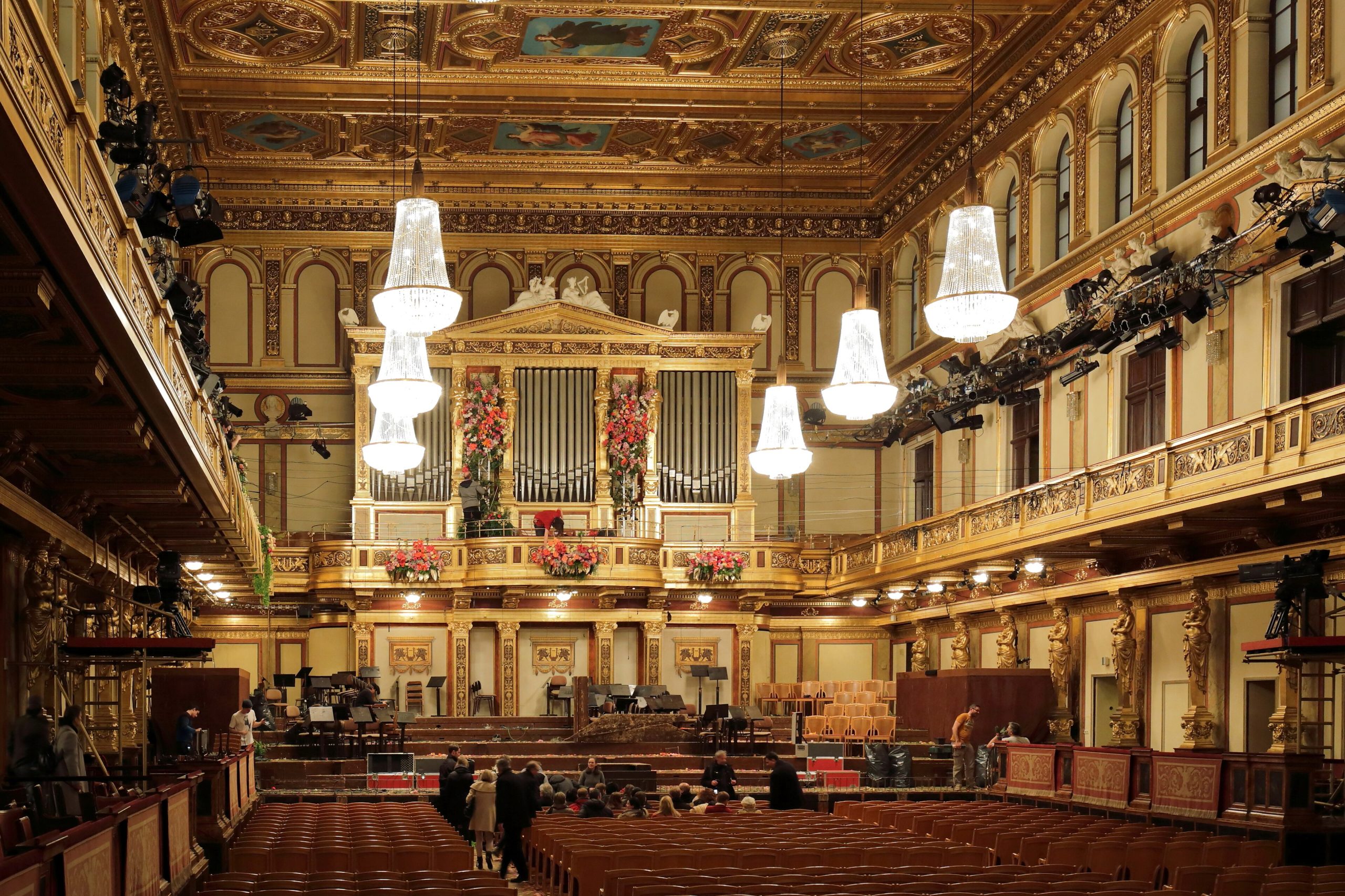
Goldener Saal (Golden Hall) im Musikverein in Wien. C.Stadler/Bwag, via Wikimedia Commons
Vienna earns its title as the world’s music capital through venues that have defined classical performance for over 150 years.
Vienna State Opera: The Crown Jewel of Classical Music
The Vienna State Opera opened in 1869 (↱ Wikipedia: Vienna State Opera) with Mozart’s Don Giovanni and became the first major building on the Vienna Ring Road. This 1,709-seat Renaissance Revival venue operates as the world’s largest repertoire company and produces 50 to 60 operas and ten ballet productions across more than 350 performances each year. The opera employs over 1,000 people and maintains a unique system where you’ll often find a different opera performed each day of the week.
Guided tours run 40 minutes. They take you up the grand staircase through ceremonial rooms that include the tea salon, marble hall, and Gustav Mahler Hall before reaching the auditorium. Adult tickets cost about €15, with tours available in German and English. Standing room tickets go on sale about 80 minutes before curtain for €10 and remain popular with locals and visitors alike.
Musikverein and the Golden Hall
Emperor Franz Joseph inaugurated the Musikverein in 1870, one year after the State Opera opened. The Golden Hall measures 49 meters long with 1,744 seats plus standing room for 300. Hansen’s design created acoustics that rank alongside Boston’s Symphony Hall and Amsterdam’s Concertgebouw. The Vienna Philharmonic calls this venue home. Their New Year’s Concert broadcasts worldwide from the Golden Hall each January.
Haus der Musik: An Interactive Experience Through Sound
This interactive sound museum opened in 2000 in the Palace of Archduke Charles. It spans 54,000 square feet across four floors. You can conduct a video projection of the Vienna Philharmonic, compose your own waltz through a dice game, or walk on a musical staircase where each step plays a note. Dedicated rooms showcase Haydn, Mozart, Beethoven, Schubert, Strauss, and Mahler with period instruments and personal items.
Composer Homes: Walking in the Footsteps of Legends
The City of Vienna operates eight composer museums that include three dedicated to Beethoven, two to Schubert, and one each to Mozart, Strauss, and Haydn. Mozarthaus Vienna occupies his 1784-1787 residence where he composed The Marriage of Figaro.
Famous Austrian Composers Who Shaped Classical Music
Five Austrian composers laid the foundations of Western classical music between 1732 and 1899.
Wolfgang Amadeus Mozart: The Child Prodigy
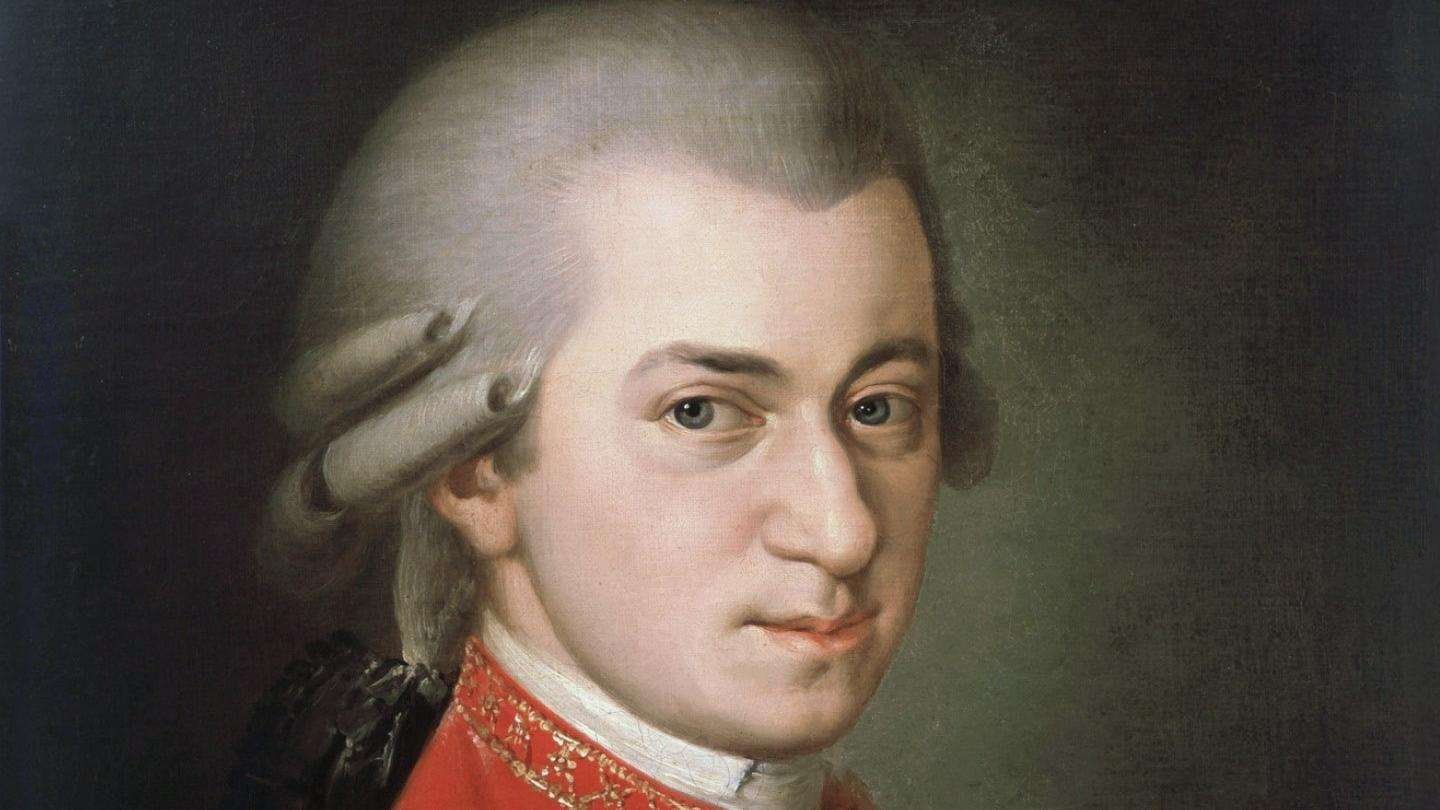
Mozart started composing at age five and completed more than 800 works before dying at 35 (↱ Wikipedia: Wolfgang Amadeus Mozart). He mastered every genre of his time: symphonies, concertos, chamber music, opera and choral music. His final years produced masterpieces including his last three symphonies culminating in the Jupiter, the operas Le nozze di Figaro, Don Giovanni, Così fan tutte and Die Zauberflöte, and his unfinished Requiem.
Ludwig van Beethoven: The Revolutionary Composer
Beethoven bridged Classical and Romantic eras through works spanning 1792 to 1827. His middle “heroic” period introduced the Eroica Symphony, longer and larger than any previous symphony. He premiered his Third and Fifth Symphonies in 1804 and 1808 despite advancing deafness. His Ninth Symphony introduced human voices expressing joy and brotherhood in the finale.
Franz Schubert: The Master of Lieder
Schubert composed over 600 Lieder during his brief 31 years (↱ Wikipedia: Franz Schubert). His song cycles Die schöne Müllerin and Winterreise represent pinnacles of the art song tradition. He wrote eight songs in a single day in 1815.
Johann Strauss II: The Waltz King
Strauss composed about 500 dance pieces, 150 of them waltze. The Blue Danube, performed February 15, 1867, became Austria’s unofficial second national anthem.
Joseph Haydn: Father of the Symphony
Haydn wrote 104 symphonies and 68 string quartets between 1732 and 1809. Mozart called him his best friend, and Beethoven studied under him.
Austria’s musical legacy continues through daily performances at historic and modern venues.
Classical Concerts in Historic Palaces and Churches
The Schönbrunn Palace Orangery hosts concerts at 8:30 PM. Mozart himself performed here in 1786. The Schönbrunn Palace Orchestra performs works by Mozart and Strauss with two opera singers. Orchestra 1756 presents Vivaldi’s Four Seasons on period instruments at Karlskirche. St. Peter’s Church offers free organ concerts each day, and a live orchestra performs during Sunday Mass at the Augustinian Church. Classical works fill St. Stephen’s Cathedral, St. Anne’s Church, and the Peterskirche with church concerts throughout the year.
Modern Festivals and Contemporary Music Scene
Wien Modern runs every November as Austria’s biggest contemporary music festival. The Danube Island Festival transforms a 4.5-kilometer site from June 20-22. More than 1,000 musicians perform on multiple stages. Klangspuren in Schwaz showcases contemporary music in unconventional venues like churches and factory halls.
Street Musicians and Spontaneous Performances
Vienna’s Kärntner Straße and Graben feature violinists and brass bands each day. Getreidegasse and areas near the Cathedral host trained musicians in Salzburg, often conservatory students.
Budget-Friendly Ways to Enjoy Austrian Music
Standing room tickets at the Staatsoper cost €10-18 and provide excellent views. The Summer Night Concert at Schönbrunn Palace is free.
Conclusion
Austria’s musical legacy lives on through its historic venues, from Salzburg’s Mozart museums to Vienna’s golden concert halls. Whether you attend the Salzburg Festival, catch a performance at the State Opera, or simply listen to street musicians on Getreidegasse, you’ll experience music in its purest form. Standing room tickets and free concerts are available, and you don’t need a large budget to find out why Austria remains the world’s music capital.
FAQs
Q1. How much time should a plan for visiting Mozart’s birthplace in Salzburg?
You should plan about an hour for your visit to Mozart’s Geburtshaus. The museum displays Mozart’s childhood violin, his clavichord (on which he composed The Magic Flute and Requiem), and his fortepiano from around 1782. The family lived in this third-floor apartment at No.9 Getreidegasse for 26 years before moving in 1773.
Q2. What is the best way to get affordable tickets to the Vienna State Opera?
Standing room tickets are the most budget-friendly option at the Vienna State Opera, costing between €10-18. These tickets go on sale approximately 80 minutes before the curtain rises and remain popular with both locals and visitors. Despite being standing room, they offer excellent views of the performances.
Q3. How many works did Mozart compose during his lifetime?
Mozart completed more than 800 works before his death at age 35. He started composing at just five years old and mastered every musical genre of his time, including symphonies, concertos, chamber music, opera, and choral music. His final years produced some of his greatest masterpieces, including his last three symphonies and several famous operas.
Q4. What makes the Golden Hall at Musikverein acoustically special?
The Golden Hall’s acoustics rank alongside Boston’s Symphony Hall and Amsterdam’s Concertgebouw, making it one of the finest concert venues in the world. The hall measures 49 meters long and seats 1,744 people plus standing room for 300. Hansen’s intuitive design created these exceptional acoustics when the venue opened in 1870, and it serves as the home of the Vienna Philharmonic Orchestra.
Q5. Are there free classical music performances available in Vienna?
Yes, several free options exist for experiencing classical music in Vienna. St. Peter’s Church offers free daily organ concerts, and you can hear a live orchestra during Sunday Mass at the Augustinian Church. The Summer Night Concert at Schönbrunn Palace is completely free, and street musicians regularly perform on Kärntner Straße and Graben throughout the city.
Must-See Graz Historical Sites & Attractions for Tourists
Introduction
Graz historical sites & attractions for tourists showcase why this Austrian gem earned its UNESCO World Heritage status and was named European Capital of Culture in 2003. Austria’s second-largest city has a population of 300,000, including 70,000 students, creating a vibrant atmosphere where medieval charm meets modern energy. From the world’s largest historical armory holding 32,000 objects to baroque palaces and Gothic churches, graz austria tourist attractions offer something for every history lover. We’ve put together this guide covering what to do in graz, featuring 17 must-see graz tourist attractions that bring centuries of history to life.
Schlossberg Clock Tower (Uhrturm)
Uhrturm in Graz (Clock tower). DJ3tausend, CC0, via Wikimedia Commons
The Uhrturm stands as Graz’s most recognizable symbol, visible from nearly every corner of the old town. This 28-meter tower sits atop Schlossberg hill, offering panoramic views that make it one of the most visited graz tourist attractions.
What Makes It Special
The clock tower confuses first-time visitors with its unusual design. The larger hand marks hours while the smaller one shows minutes. This reversed setup happened because the tower originally displayed only hour hands visible from a distance. Consequently, when minute hands were added later, they kept the larger hour hands in place.
The citizens of Graz loved this tower so much they paid Napoleon a ransom to save it from destruction. When French forces demolished most of the fortress in the 19th century, the locals pooled their money specifically to preserve the Uhrturm (↱ Wikipedia Uhrturm).
Key Features and History
Built originally as a defense tower in 1265, the structure was converted into a clock tower in 1569. Its primary job was watching for fires across the city. The tower holds three historic bells: one from 1385 that rings hourly, a 1645 fire alarm bell, and a 1450 bell that originally rang during executions. The clockworks, crafted by Michael Sylvester Funck in 1712, still function but now run electronically.
The clock faces measure over 5 meters in diameter, making them readable throughout graz austria.
Best Time to Visit
Sunrise and sunset offer the best lighting for photos and city views. For comfortable weather, plan your visit between May and June or September through October.
Visitor Information
Access to the Clock Tower is free and open 24 hours. Walking up takes 7-20 minutes depending on fitness. For easier access, take the funicular or lift (fees apply), both operating 8 AM to midnight.
Hauptplatz – Graz’s Main Square
Hauptplatz serves as the beating heart where Graz comes alive. This trapezoid-shaped market square has been the city’s focal point since 1160 when Duke Otakar III established it. Medieval and Gothic architecture surrounds the space, creating a stunning backdrop for modern city life.
Historical Significance
The square functioned as Graz’s main marketplace during the Middle Ages when the city was an important commerce and trade center. Only wealthy merchants and traders lived here, displaying their goods under wooden arcades. The western side still shows staggered houses interrupted by narrow alleys, preserving that medieval character.
The square witnessed darker moments too. Until the late 18th century, public punishments happened here. Minor offenders were pilloried or locked in cages. Commoners faced execution in the square, while nobility received beheading inside the town hall.
What to See
The Archduke Johann fountain has dominated the square since 1878. Four female figures surround the Habsburg prince, representing rivers Mur, Enns, Drava, and Sann that flowed through old Styria. The Luegg House at the corner to Sporgasse catches eyes with its late 17th-century stucco facade. The Rathaus town hall, completed in 1893, stands as an impressive neoclassical structure. Three narrow houses tucked inside the building remain because their owners refused demolition.
Graz Hauptplatz: Erzherzog Johann Brunnen. Isiwal, CC BY-SA 4.0, via Wikimedia Commons
Local Markets and Events
Daily market stalls sell hot sausages, dairy products, fruit, and Styrian pumpkin seed oil. The Christmas market runs from November 21 to December 23, with the town hall facade transformed into an illuminated Advent calendar. Over 25,000 lights decorate a magnificent Christmas tree.
Getting There
Trams 1, 3, 6, or 7 connect the main train station to Hauptplatz in about 6 minutes. Busses also run this route in 5 minutes. Walking from the station takes roughly 20 minutes.
Graz Cathedral (Grazer Dom)
Grazer Dom (Gothic cathedral). Isiwal, CC BY-SA 4.0, via Wikimedia Commons
Located between Bürgergasse and Burggasse, this late Gothic cathedral ranks among Styria’s most significant cultural landmarks. Emperor Frederick III built it alongside his residence, making it a cornerstone of graz austria tourist attractions.
Architectural Highlights
The exterior appears modest with plain white walls. In reality, the facades were once covered with elaborate paintings, though most have faded. One remarkable fresco survives on the south wall. The 1485 Gottesplagenbild by Thomas von Villach (↱ Wikipedia Graz Cathedral) depicts three plagues that struck Graz in 1480: locusts, Turkish attacks, and the Black Death. This painting served as a plea for divine mercy, arranged like a medieval drama with the Holy Trinity, saints, and angels.
The main west portal from 1456 showcases ornate late Gothic design. Tombstones from the 16th to 20th centuries are embedded in the exterior walls.
Interior Features
Step inside and the high vaulted ceilings immediately impress. Eight octagonal pillars divide the space into three aisles. The baroque high altar designed by Georg Kraxner between 1730-33 dominates the sanctuary.
Two Renaissance reliquaries stand at the chancel entrance. These ornate chests originally belonged to Paola Gonzaga, who brought them from Mantua when she married Leonhard of Gorizia in 1477. The ivory and bone inlays depict Petrarch’s poem “I Trionfi”. The Jesuits later converted them into reliquaries for Christian martyrs.
The organ built in 1978 features 5,354 pipes and 73 stops. Conrad Laib’s painting “Kreuzigung im Gedräng” measuring 274×272 cm recently returned after restoration.
Historical Background
Construction began in 1438 under Emperor Frederick III and finished around 1464. The building served as a court church, then passed to the Jesuits in 1577. When Graz became an episcopal seat in 1786, the church gained cathedral status.
Location and Access
Find the cathedral at Burggasse 3, beside the triple-arched Burgtor gate. Public transport connects easily, or park in nearby garages and walk.
Turquoise domes rise next to the cathedral, creating one of Graz’s most distinctive skylines. This imperial tomb gives the city what locals call the Stadtkrone (Crown of the Town), blending Italian flair with Habsburg heritage.
Architectural Marvel
Emperor Ferdinand II commissioned his court artist Giovanni Pietro de Pomis to design this mausoleum and St. Catherine’s Church in 1614. Construction took until 1638 to complete. The project holds special significance since Pomis created the first oval dome built north of the Alps (↱ Wikipedia: Mausoleum of Emperor Ferdinand II). This Italian architectural innovation brought Renaissance and Baroque styles together in what experts call mannerism.
The design stopped midway when Ferdinand became emperor in 1619 and moved to Vienna. He died in 1637 and was buried in his half-finished tomb. His grandson Leopold I later hired a young architect named Johann Bernhard Fischer von Erlach to complete the interior between 1695 and 1697. Fischer went on to become Austria’s most famous Baroque architect.
What’s Inside
The burial chapel features stucco work and ceiling frescoes that take your breath away. A red marble sarcophagus sits at the center of the crypt, originally meant for Ferdinand’s parents but holding only his mother Maria of Bavaria. Ferdinand himself rests in a simple wall niche marked by a plain plaque.
The Holy Sepulcher shrine created by Veit Königer between 1768-1769 dominates the space. This gilded tableau shows Christ’s tomb with life-size mourning figures, revealing the red sarcophagus through a circular opening.
Best Features
The ceiling paintings showcase elaborate Baroque artistry. One fresco illustrates Vienna’s relief from Turkish siege in 1683, glorifying Emperor Leopold I. The high altar designed by Fischer von Erlach features marble topped with the Habsburg eagle.
Visiting Hours and Tips
Entry is free. The mausoleum opens April through October, Tuesday to Sunday, 9 AM to 5 PM. Winter visits require booking guided tours through the Diocesan Museum at +43/316/8041-890. Combine your visit with the cathedral right next door for a fuller experience.
Inside Graz Castle sits an architectural puzzle that looks like an optical illusion. The Burg now serves as headquarters for the regional government, but its real treasure hides in plain sight.
The Unique Staircase Design
Two staircases spiral upward in opposite directions, merging briefly on each floor before parting again. This pattern repeats as you climb. The engineering brilliance shows in the hollow spindles that support the structure. The design appeared so advanced for its time that it’s considered one of Europe’s major Gothic staircases. A similar staircase exists in Elisabeth Cathedral in Košice, Slovakia, built 50 years earlier, but lacks the sophistication found here.
Historical Context
Frederick III started building the Burg in 1438 (↱ The Stairs of Reconciliation). His son, Emperor Maximilian I, continued construction from 1494 to 1500. When the expansion reopened, this double spiral staircase amazed everyone.
Created in 1499, the masterpiece came from an unknown architect. The centuries of rebuilding added Gothic, Renaissance, and Biedermeier elements throughout the castle.
Why It’s Called ‘Stairs of Reconciliation’
Locals gave it this poetic name because of what happens when two people climb together. You can take separate spirals but will reunite on each floor. The design symbolizes eternity, showing that different paths ultimately lead back together.
Picture walking into a five-story building packed wall-to-wall with weapons from centuries past. That’s exactly what awaits at Herrengasse 16, just steps from Hauptplatz.
World’s Largest Historical Armory
This arsenal holds approximately 32,000 pieces of weaponry, armor, and military equipment. Tyrolean architect Antonio Solar built it between 1642 and 1645 when Styria needed massive storage for defense supplies. Located south of the Alps, Graz served as a critical defense point against Ottoman Turkish advances from the late 15th century onward.
Two baroque statues flank the facade. Giovanni Mamolo carved Mars (god of war) and Minerva (goddess of war and arts) to guard the entrance. The wooden ceilings, floors, and wall panels throughout the building absorb moisture, preventing the historic iron from rusting.
Key Exhibits
Each floor displays different weapon types. The Firearms Room showcases thousands of battlefield-tested rifles, pistols, muskets, bullets, and bayonets. The Staff Weapons Room exhibits spears, pikes, and morning stars. The Edged Weapons Room features swords, daggers, sabers, and blades of various sizes.
More than 3,300 armors and helmets, over 7,800 small arms, roughly 5,400 staff weapons, and 2,400 swords fill the displays. Gorgeous armors for nobility and complete horse armor from the early 16th century stand among the collection.
Guided Tours
English-language tours run daily at 12:30 PM, with German tours at 11 AM and 2 PM. Each tour lasts approximately one hour. Audioguides come in English, German, and Italian. Note that signs aren’t posted throughout to protect the historic site, making guides helpful.
Admission and Hours
The armory closes from January 7 through March 31, 2026 for renovation work. Summer hours run April 1 to October 31, Tuesday through Sunday, 10 AM to 6 PM. Adult admission costs €13. The building is wheelchair accessible.
You’ll feel transported to Northern Italy when you walk through the gateway on Herrengasse. This arcaded courtyard ranks among the finest Renaissance architecture north of the Alps.
Architectural Beauty
Italian architect Domenico dell’Allio designed the main wing and courtyard in 1557. He came to Graz as a fortress architect and also worked on Schlossberg reconstruction. The building resembles a Venice palazzo and brings Mediterranean elegance to austria graz.
The Styrian estates commissioned this building, and it still serves as Styria’s provincial parliament.
The Arcaded Courtyard
Three floors of arcades surround the spacious courtyard. Copper gargoyles from the 16th century line the walls. A bronze fountain sits at the center that experts call a Mannerist masterpiece.
Visitors often stop and stare after stepping inside. The Renaissance stonework and arches create an unexpected oasis.
Events and Concerts
Flowers decorate the arcades during summer months. The ice nativity scene appears at Advent. Concerts, theater performances and festivities fill the courtyard between these seasons.
“Rumortafeln” (rumbling panels) at the gateways have prohibited fighting, sword-pulling and scuffling inside since 1588.
Location Details
You can find the courtyard at Herrengasse 16, right beside the Styrian Armory. This makes visiting both graz tourist attractions easy on the same walk.
Schloss Eggenberg Baroque Palace
Schloss Eggenberg, Graz
Austria’s most important Baroque palace complex sits just a 15-minute tram ride from the city center. Prince Hans Ulrich von Eggenberg commissioned architect Giovanni Pietro de Pomis to create this architectural allegory of the universe starting in 1625.
Palace Design and Symbolism
The building represents a precisely calculated cosmos based on the Gregorian calendar. You’ll find 365 windows for days of the year, 24 state rooms representing hours, 52 doors and windows symbolizing weeks, and 4 corner towers for the seasons.
State Rooms and Ceiling Paintings
The 24 state rooms form an almost pure work of interior art. More than 500 ceiling paintings in opulent stucco surrounds depict mythological scenes, Biblical stories, and modern world history. The Planetary Room serves as the magnificent centerpiece, completed in 1685 by court artist Hans Adam Weissenkircher. State rooms close during winter to preserve them for future generations.
The Surrounding Parkland
The original Baroque garden became an English landscape garden representing romantic ideals after 1820. Peacocks roam freely through the grounds from spring to autumn. The park opens year-round, even during winter when state rooms close.
Getting There and Admission
Tram line 1 provides easy access. Adults pay €20 for state room admission, which has a required guided tour. Tours run hourly in English and German from 10 AM to 4 PM, with an extra 5 PM tour May through September. Park admission costs €3 for adults.
The Rathaus has stood proud on Hauptplatz since 1893 and tells the story of Graz’s growing confidence as Austria’s second-largest city. Vienna architects Alexander Wielemans and Theodor Reuter designed what you see today.
Neoclassical Architecture
The building replaced an 1803 classical-style town hall. Rather than following one pure style, it blends historicist Old German elements with neoclassical touches. The main facade went through radical simplification during the 20th century. Workers removed statues from niches in 1957. Those statues are now returning as copies that represent crafts, arts and science.
Corner towers flank the four-level structure. A tall center tower features a dome and spire. The town hall was financed through a tax on wine, which is quite interesting.
The Three Stubborn Houses
Walk along Herrengasse and you’ll spot three narrow houses that seem jammed into the massive building. Their owners refused to sell when the city wanted to demolish everything on the block. This stubborn resistance became a symbol of typical Styrian character.
Square Views
The town hall overlooks Hauptplatz perfectly. The two-story session hall features original 19th-century details including a coffered ceiling, gallery and paneling. You’ll also find a chandelier and wall clock inside.
Best Photo Spots
Shoot from across Hauptplatz and capture the full facade. The statues and center tower photograph best in morning light.
Franciscan Church and Monastery
Graz Franziskanerkirche. Isiwal, CC BY-SA 4.0, via Wikimedia Commons (modified)
Graz’s oldest monastery stands along the banks of River Mur, founded in 1239. The church tower ranks among the city’s tallest.
Gothic Architecture
Builders constructed the tall tower during the 17th century as a fortified structure. This approach was unusual for a Franciscan establishment.
The high but narrow 14th-century chancel creates a striking contrast with the comparatively low and wide nave. Stained glass windows fill the space with spheric light. A simple gray cast iron crucifix appears to hover in the chancel.
The Peaceful Cloisters
Gothic cloisters surround an idyllic monastery garden. Medieval lancet windows and both round and pointed arches line the walkways. Fresco fragments from the 16th century still decorate the walls. Epitaphs tell stories of distinguished burghers and noblemen buried here between the 15th and 18th centuries[372]. These memorial plaques list their names, professions, and life data.
Historic Garden
Benches invite you to rest in this rose-covered courtyard. The monastery garden welcomes everyone seeking silence in the heart of austria graz. Entry costs nothing.
Nearby Cafes
Small cafes and bars nestle against the church’s exterior walls. They make perfect spots for morning coffee or afternoon drinks.
You can’t miss Austria Graz’s oldest bakery on Hofgasse. A magnificent wooden portal topped with a gilded double-headed eagle marks the entrance.
Imperial History
This bakery started operations in 1569 from Sporgasse 15. Matthias Tax purchased the business in 1787 and turned it into one of the city’s most renowned establishments.
The bakery’s defining moment arrived in 1883. Emperor Franz Joseph visited Graz, and the Tax bakery supplied the royal court table. The quality impressed everyone so much that the bakery earned an Imperial and Royal Warrant of Appointment in 1888.
Robert Edegger runs the business with his family today. They continue traditions that span over four centuries.
The Carved Wooden Facade
Carpenter Anton Irschik from Graz crafted the stunning wooden shopfront in 1896. The intricate carvings and gilded imperial eagle above the entrance make this portal unmistakable.
What to Try
Sissibusserl and Kaiserzwieback biscuits taste exactly like they did during Habsburg monarchy days. The royal family enjoyed these imperial recipes. The bakery even operates a branch in Japan that sells these same Habsburg breads.
Location on Hofgasse
The bakery sits at Hofgasse 6 in central Graz. You can walk from Hauptplatz or the Cathedral area in just minutes.
Glockenspiel at Glockenspielplatz
Graz Glockenspiel Glockenspielplatz. Palickap, CC BY-SA 4.0, via Wikimedia Commons
Music fills the air three times daily at this charming square in austria graz. Gottfried Maurer, a spirits producer, installed the glockenspiel in 1905 after seeing similar carillons in Belgium and North Germany. The square even got renamed after this musical landmark appeared.
The Musical Clock
The mechanism features 24 bells arranged across two octaves. These bells chimed for the first time from the iron roof turret on Christmas Eve 1905. The system works using 800 steel pins on a rotating barrel. You can reposition these pins to create new melodies five times yearly.
Performance Times
Catch the show at 11 AM, 3 PM, or 6 PM and Styrian folk songs echo through the square. Carols replace the traditional tunes during Christmas season. Arrive a few minutes early to grab a good viewing spot.
The Dancing Couple
Sculptor Georg Winkler created wooden figures that emerge from arched windows. They wear traditional Styrian costumes and pirouette with each performance. A moon phase display tracks lunar cycles above them. The golden rooster crowns the show by flapping its wings and crowing[461].
Surrounding Restaurants
Café Glockenspiel sits right under the musical clock. The area forms part of what locals call the “Bermuda triangle” where many restaurants, cafés, and bars create a lively atmosphere.
Tree-covered slopes rise 473 meters above sea level. Schlossberg stands as the highest natural point in Graz. This fortress hill dominates the city center and offers one of Austria’s most beloved public parks.
Multiple Ways to Reach the Top
Four routes lead upward. The Schlossbergbahn funicular climbs at a 60% gradient and takes less than 2 minutes. Graz public transport tickets work on the funicular. The glass elevator inside the mountain takes about 1 minute and costs €2.50 for adults (included in the “Graz Card”). Walkers can use 260 steps that WWI prisoners carved into the cliff. This path starts at Schlossbergplatz. Other walking trails wind up from Karmeliterplatz and Wickenburggasse.
No enemy captured this fortress. Not even Napoleon. He ordered its demolition after defeating the Habsburgs in 1809. Citizens paid the French to spare the towers you see today. The cistern holds 900,000 liters. The Turkish Fountain plunges 94 meters deep. Italian architect Domenico dell’Allio built these fortifications in the mid-16th century.
Bell Tower and Casemates
The bell tower stands 34 meters high and was built in 1588. Liesl (the bell) hangs inside and weighs nearly 5 tons (5000kg). The Kasematten Stage fills former storage cellars where prisoners once slept. This open-air venue seats 1,310 people and has hosted concerts since 1937.
Panoramic City Views
Red-tile roofs spread below the summit plateau. Hills and mountains stretch to the horizon. This makes everything in Graz worth experiencing.
Burggarten Historical Gardens
Graz Burg – Burggarten Orangerie. Isiwal, CC BY-SA 4.0, via Wikimedia Commons
Styria’s regional government’s seat hides a romantic retreat that most visitors miss. Burggarten feels almost secret, tucked above Stadtpark where picturesque lawns create a breathtaking atmosphere.
Landscaped Beauty
Court gardeners have placed beautiful flowers and bushes here for over 500 years. The 16th-century design follows simple lines. A straight water pond runs through the center and connects the historic Orangerie to the Burg. Workers cleared coniferous forests to open the park and create generous space. The result is clean sightlines and uncluttered views between the two historic buildings.
Picnic Spots
The lawns invite you to spread a blanket and relax. Locals claim their favorite spots on the grass during warmer months. The park’s romance makes it perfect for quiet afternoons.
Views and Relaxation
This green space offers escape from busy sightseeing schedules. The former Orangerie received extensive refurbishment and now hosts events and receptions. The surrounding architecture impresses even without entering buildings.
Entry Points
The garden opens from 8 AM to 7 PM. Access works only through the Burg courtyard during winter. Entry costs nothing, making it one of graz austria’s most affordable graz tourist attractions.
Deutschordenshaus The Hidden Courtyard
Graz Deutschordenshaus Sporgasse 22
Duck through an archway off busy Sporgasse and step into a medieval courtyard that feels frozen in time.
16th Century Architecture
The Gothic arcaded courtyard was created in the early 16th century by merging two houses. Look down and you’ll walk on Murnockerl, smooth cobblestones shaped by River Mur’s current over centuries. The stone portal bearing the Teutonic Order’s cross dates from the first quarter of the 16th century. Keep in mind that the architecture shows two building phases. Sturdy pillar arcades at the bottom display late Gothic features. The upper floor added later features Tuscan columns and uniform arches committed to Renaissance style. This shows how construction techniques changed over a short period.
Teutonic Order History
The Teutonic Order was founded around 1190 in Acre as a Catholic military society. Knights served as a crusading order supporting Catholic rule in the Holy Land and Eastern Europe during the Middle Ages. This house in Graz served as their seat during the 16th century.
Why It’s a Hidden Gem
The courtyard maintains a quiet, almost secluded atmosphere even with its central location. Visitors feel transported back to medieval times upon entering. Most tourists miss this spot.
How to Find It
Find the entrance at Sporgasse 22. Walk from Hauptplatz toward the narrow shopping street and watch for the low archway.
Styria’s seat of power stands on Herrengasse, built in 1527-1531 as Graz’s first Renaissance structure. This building ranks among Central Europe’s most important Renaissance monuments.
Renaissance Facade
Domenico dell’Allio designed the main wing in 1557 after arriving from Northern Italy as a fortress architect. Ornate arched windows and elegant stonework define the exterior. The building encloses three separate courtyards: the large Landhaushof, small Landhaushof, and Zeughaushof near the arsenal.
Interior Architecture
Baroque furnishings fill the space inside. The Landstube (session hall) features an ornate stucco ceiling by Johann Angelo Formentini, decorated with plastic figures and coats of arms. Porcelain stoves crowned by heraldic animals showcase the Austrian eagle and Styrian panther. The Rittersaal displays a different stucco ceiling showing zodiac signs. The Landhaus chapel, built in 1630/31, contains a black and gold altar with paintings of the Assumption of the Virgin.
Political Significance
The Styrian estates erected this building in the 16th century for their parliamentary meetings. It remains Styria’s provincial parliament headquarters [671].
Visitor Access
Entry is free. Many areas allow independent exploration, though some sections require guided tours at specific times.
Conclusion
Graz gives you an incredible mix of history without feeling overwhelming. The iconic Clock Tower and hidden courtyards most tourists miss represent just some of these 17 sites that show why this city earned UNESCO World Heritage status.
You don’t need to visit everything in one trip. Pick what interests you most, whether that’s baroque palaces, medieval fortifications, or unique experiences like the Schlossberg slide. Of course, combining several sites in the old town makes sense since they’re within walking distance.
I’ve covered the major graz austria tourist attractions among other lesser-known gems. Now it’s your turn to explore what appeals to you. Happy travels in Graz!
FAQs
Q1. What makes Graz a significant tourist destination?
Graz earned UNESCO World Heritage status and was named European Capital of Culture in 2003. The city combines medieval architecture, baroque palaces, and Renaissance courtyards with modern attractions. It’s also recognized as a UNESCO City of Culinary Delights and Design City, offering visitors a unique blend of history, culture, and gastronomy.
Q2. Which are the must-see attractions in Graz?
The top attractions include the iconic Schlossberg Clock Tower with panoramic city views, Eggenberg Palace with its baroque splendor, the Styrian Armory housing 32,000 historical weapons, and the charming Glockenspiel musical clock. The historic old town features Hauptplatz main square, Graz Cathedral, and the unique Double Spiral Staircase at the Burg.
Q3. What interesting places can you visit near Graz?
The surrounding region offers several day trip options including Frohnleiten medieval village, the Bärenschützklamm laddered gorge for hiking enthusiasts, Schöckl Mountain accessible by cable car, and the historic Rein Abbey with its impressive library. The Stübing Open Air Museum and Thal Lake are also popular nearby destinations.
Q4. Is Graz suitable for a relaxing city break?
Yes, Graz is perfect for a laid-back holiday. As Austria’s second-largest city with 300,000 residents, it maintains a welcoming, manageable atmosphere. The compact old town is easily explored on foot or by bike, and most major attractions are within walking distance of each other, making it ideal for a stress-free visit.
Q5. How much time do you need to explore Graz’s main attractions?
You can see the major highlights in 2-3 days, though a longer stay allows for a more relaxed pace. The old town attractions are concentrated and walkable, while sites like Eggenberg Palace require a short tram ride. Many visitors combine several central attractions in one day, then dedicate additional time to museums, parks, and nearby excursions.


,_Doppelwendeltreppe_-_Flickr_-_liakada-web.jpg)
_17.jpg)


.jpg)
.jpg)
.JPG)


.jpg)