Mozart

The Sound of Austria: From Mozart’s Birthplace to the Vienna State Opera
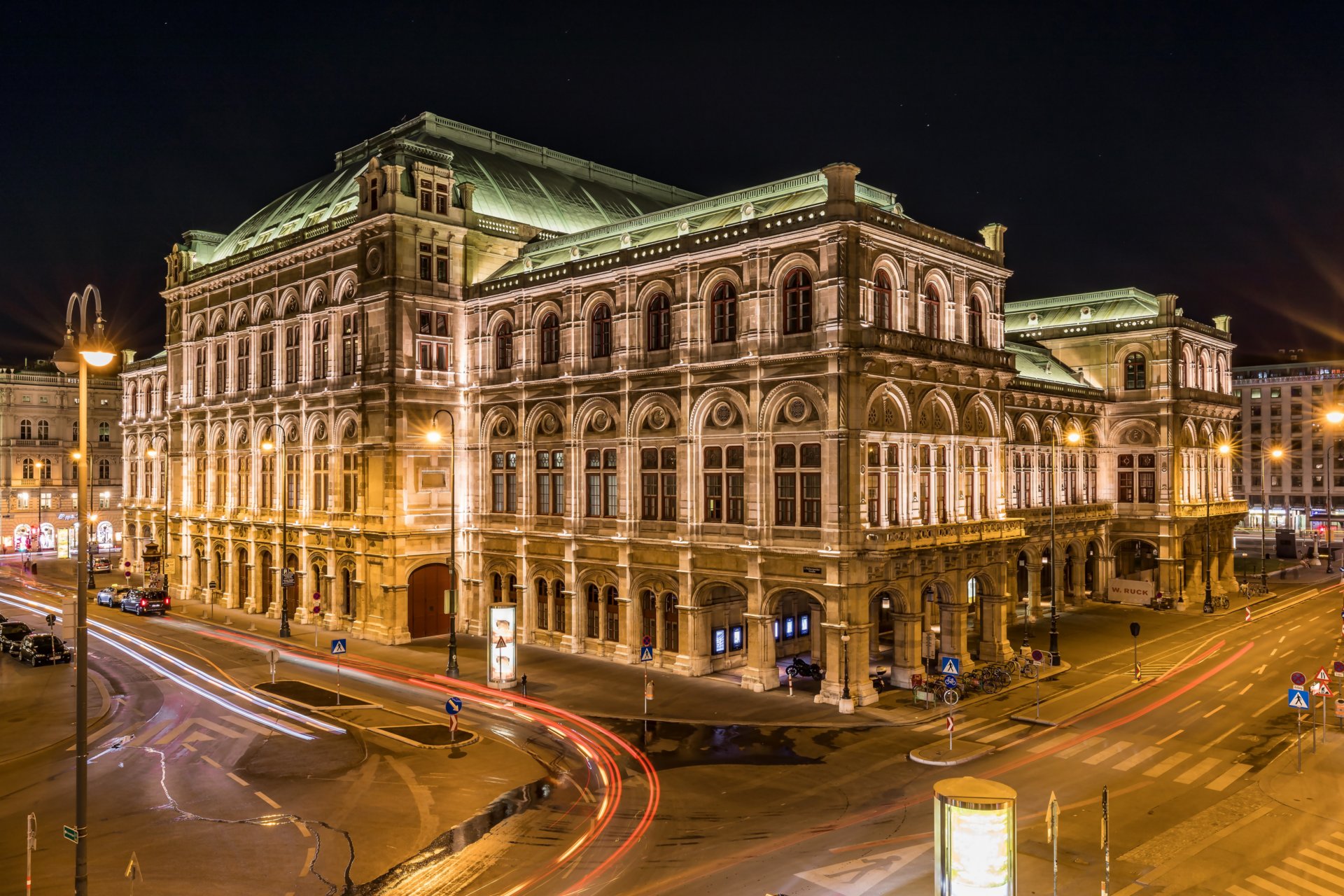
Wiener Staatsoper
Vienna State Opera. Wiener Staatsoper. Image by Michael Kleinsasser from Pixabay

Austrian composers have shaped classical music in ways few other nations can claim, with legends including Mozart, Beethoven, Haydn, Schubert, and Strauss calling this country home. Vienna has celebrated its reputation as the City of Music for over 250 years, while Salzburg, Mozart’s birthplace, puts on more than 2,000 classical performances in its palaces and churches annually. This piece will take you through Austria’s most important musical landmarks, from the Vienna State Opera to Mozart’s birthplace in Salzburg. We’ll explore the lives of famous Austrian composers and find where to experience live performances today. You’ll understand why Austria remains the world’s music capital.

Salzburg: Mozart’s Birthplace and Musical Heritage
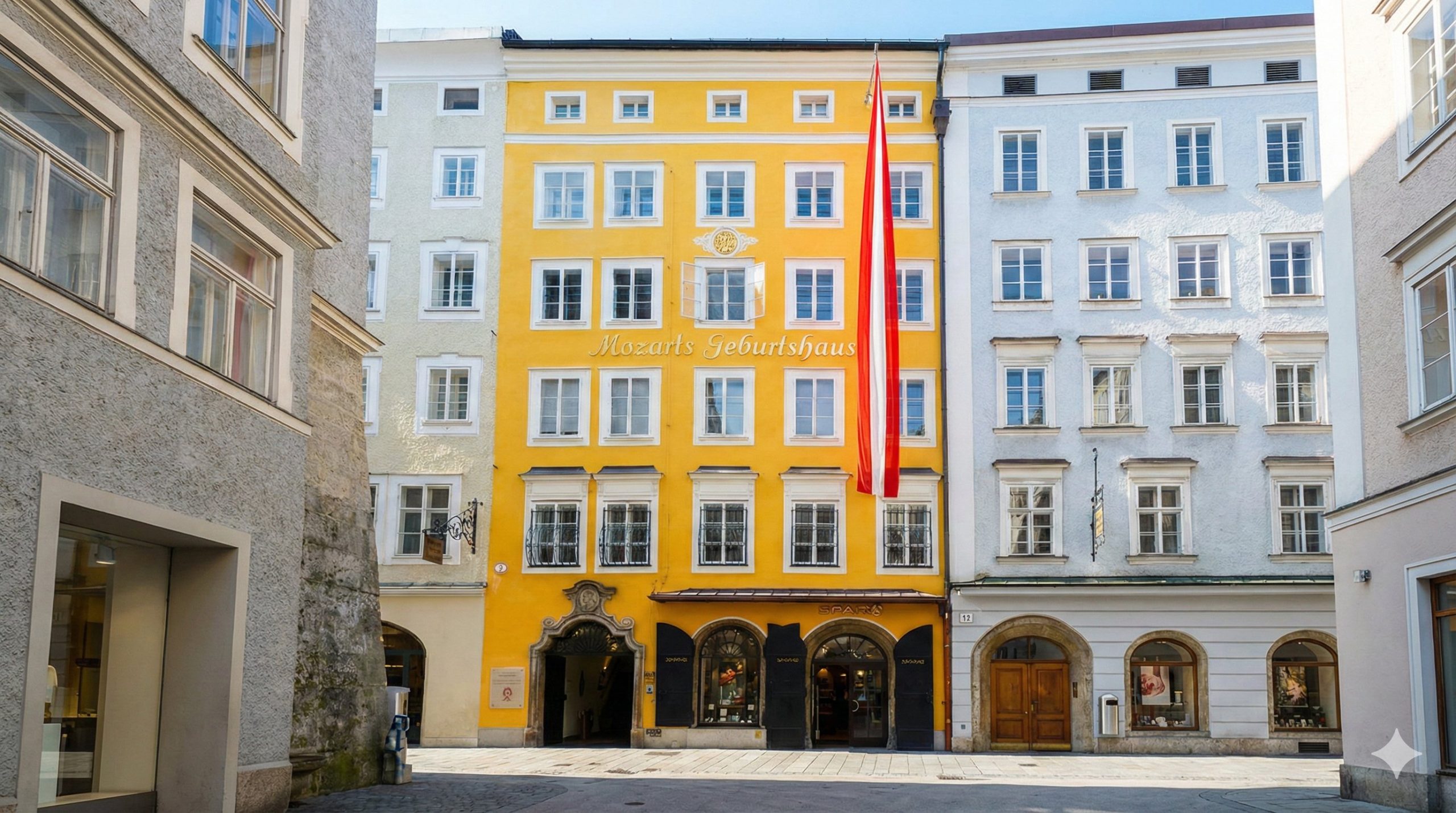
Mozart's Geburtshaus
Mozart’s Geburtshaus in der Getreidegasse 9 in Salzburg

Walking through Salzburg feels like stepping into a living symphony. This alpine city has nurtured musical genius for centuries. You can still sense that creative energy in its cobblestone streets and concert halls.

Mozart’s Geburtshaus: Where It All Began

Wolfgang Amadeus Mozart entered the world on January 27, 1756 in the Getreidegasse 9. His family occupied this space for 26 years before moving in 1773. The building has operated as a museum since 1880 and draws visitors who want to connect with Mozart’s early life.

The museum houses Mozart’s actual instruments. You’ll find his childhood violin crafted by Salzburg court luthier Andreas Ferdinand Mayr in the 1740s. His clavichord sits behind glass with handwritten note from his widow Constanze. The note explains how Mozart composed The Magic Flute, La clemenza di Tito, and the Requiem on this very instrument. The collection has his fortepiano built around 1782 by Anton Walter, which Mozart used for public performances in Vienna. Plan about an hour for your visit.

Salzburg Cathedral and Historic Performance Venues

Salzburg Cathedral represents more than architectural grandeur. This sacred space witnessed Mozart’s baptism in 1756 and later hired his father Leopold Mozart with composer Michael Haydn. The cathedral continues hosting concerts and transforms into a performance venue where choirs and orchestras play from the choir platform in the cupola room. The Festival District venues like Grosses Festspielhaus, Haus für Mozart and Felsenreitschule create atmospheric settings for classical performances.

The Salzburg Festival:. Summer of World-Class Music

Founded in 1920, the Salzburg Festival runs for five weeks each summer. Performances span from July 17 to August 30 in 2026. The festival gets €27 million in ticket sales each year and creates €183 million in total economic value (↱ Wikipedia Salzburg Festival) for Salzburg while securing 2,800 full-time jobs. The Vienna Philharmonic Orchestra performs five concert programs under conductors like Gustavo Dudamel and Riccardo Muti. Opera highlights have Mozart’s Così fan tutte, Richard Strauss’ Ariadne auf Naxos and Georges Bizet’s Carmen.

Sound of Music Sites and Their Musical Legacy

More than 350,000 Sound of Music fans visit Salzburg each year. Filming took place in 1964 at a variety of locations. Mirabell Garden served as the spot where Maria and the children danced. Leopoldskron Palace represented the von Trapp home’s exterior. Hellbrunn Palace hosted singing scenes, and Nonnberg Monastery showed where Maria lived as a novice. These sites blend cinematic history with Austria’s authentic musical heritage. (↱ Youtube: “The Sound of Music”)

Vienna: The World’s Music Capital
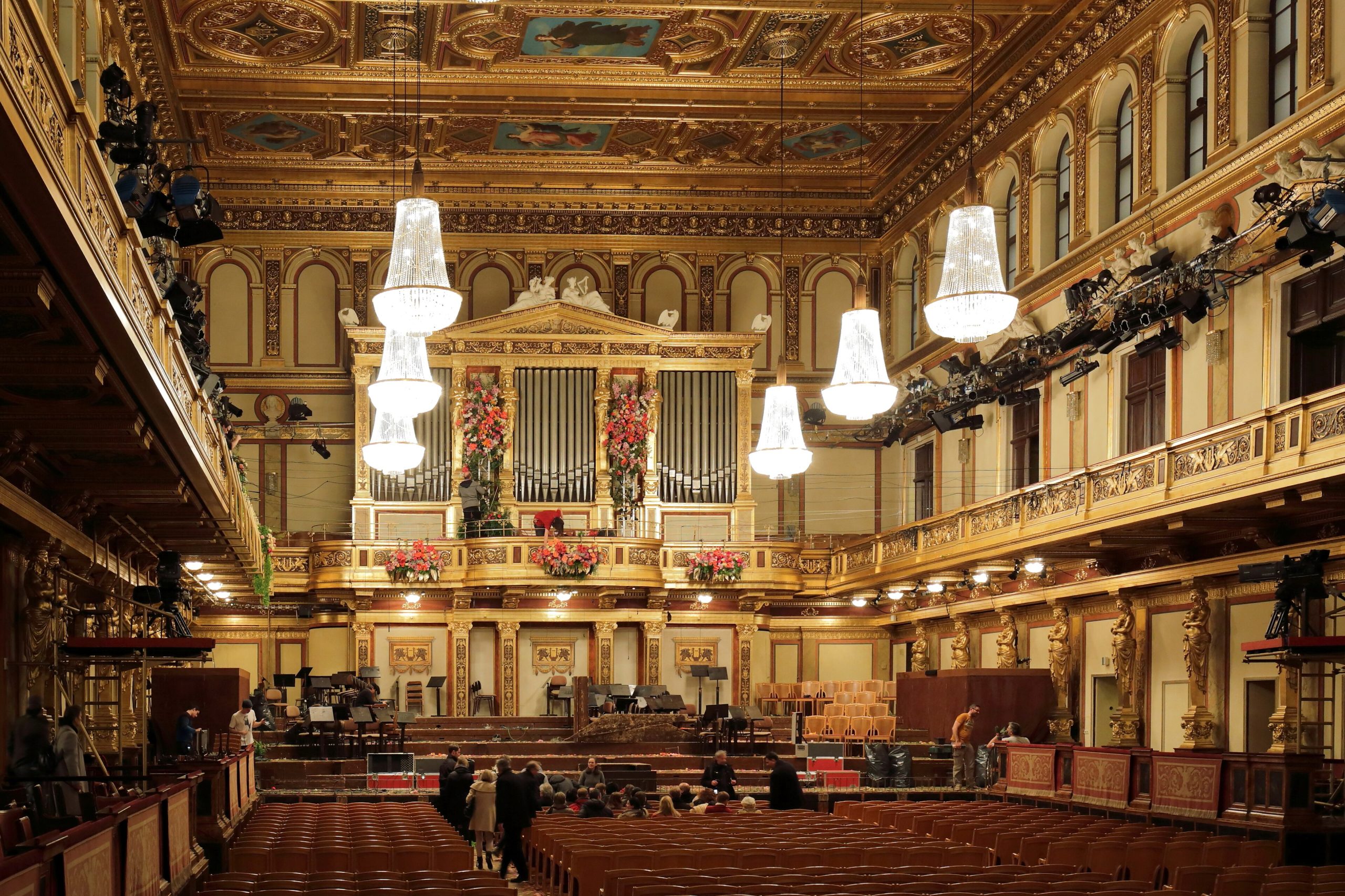
Wien Musikverein großer Saal
Goldener Saal (Golden Hall) im Musikverein in Wien. C.Stadler/Bwag, via Wikimedia Commons

Vienna earns its title as the world’s music capital through venues that have defined classical performance for over 150 years.

Vienna State Opera: The Crown Jewel of Classical Music

The Vienna State Opera opened in 1869 (↱ Wikipedia: Vienna State Opera) with Mozart’s Don Giovanni and became the first major building on the Vienna Ring Road. This 1,709-seat Renaissance Revival venue operates as the world’s largest repertoire company and produces 50 to 60 operas and ten ballet productions across more than 350 performances each year. The opera employs over 1,000 people and maintains a unique system where you’ll often find a different opera performed each day of the week.
Guided tours run 40 minutes. They take you up the grand staircase through ceremonial rooms that include the tea salon, marble hall, and Gustav Mahler Hall before reaching the auditorium. Adult tickets cost about €15, with tours available in German and English. Standing room tickets go on sale about 80 minutes before curtain for €10 and remain popular with locals and visitors alike.

Musikverein and the Golden Hall

Emperor Franz Joseph inaugurated the Musikverein in 1870, one year after the State Opera opened. The Golden Hall measures 49 meters long with 1,744 seats plus standing room for 300. Hansen’s design created acoustics that rank alongside Boston’s Symphony Hall and Amsterdam’s Concertgebouw. The Vienna Philharmonic calls this venue home. Their New Year’s Concert broadcasts worldwide from the Golden Hall each January.

Haus der Musik: An Interactive Experience Through Sound

This interactive sound museum opened in 2000 in the Palace of Archduke Charles. It spans 54,000 square feet across four floors. You can conduct a video projection of the Vienna Philharmonic, compose your own waltz through a dice game, or walk on a musical staircase where each step plays a note. Dedicated rooms showcase Haydn, Mozart, Beethoven, Schubert, Strauss, and Mahler with period instruments and personal items.

Composer Homes: Walking in the Footsteps of Legends

The City of Vienna operates eight composer museums that include three dedicated to Beethoven, two to Schubert, and one each to Mozart, Strauss, and Haydn. Mozarthaus Vienna occupies his 1784-1787 residence where he composed The Marriage of Figaro.

Famous Austrian Composers Who Shaped Classical Music
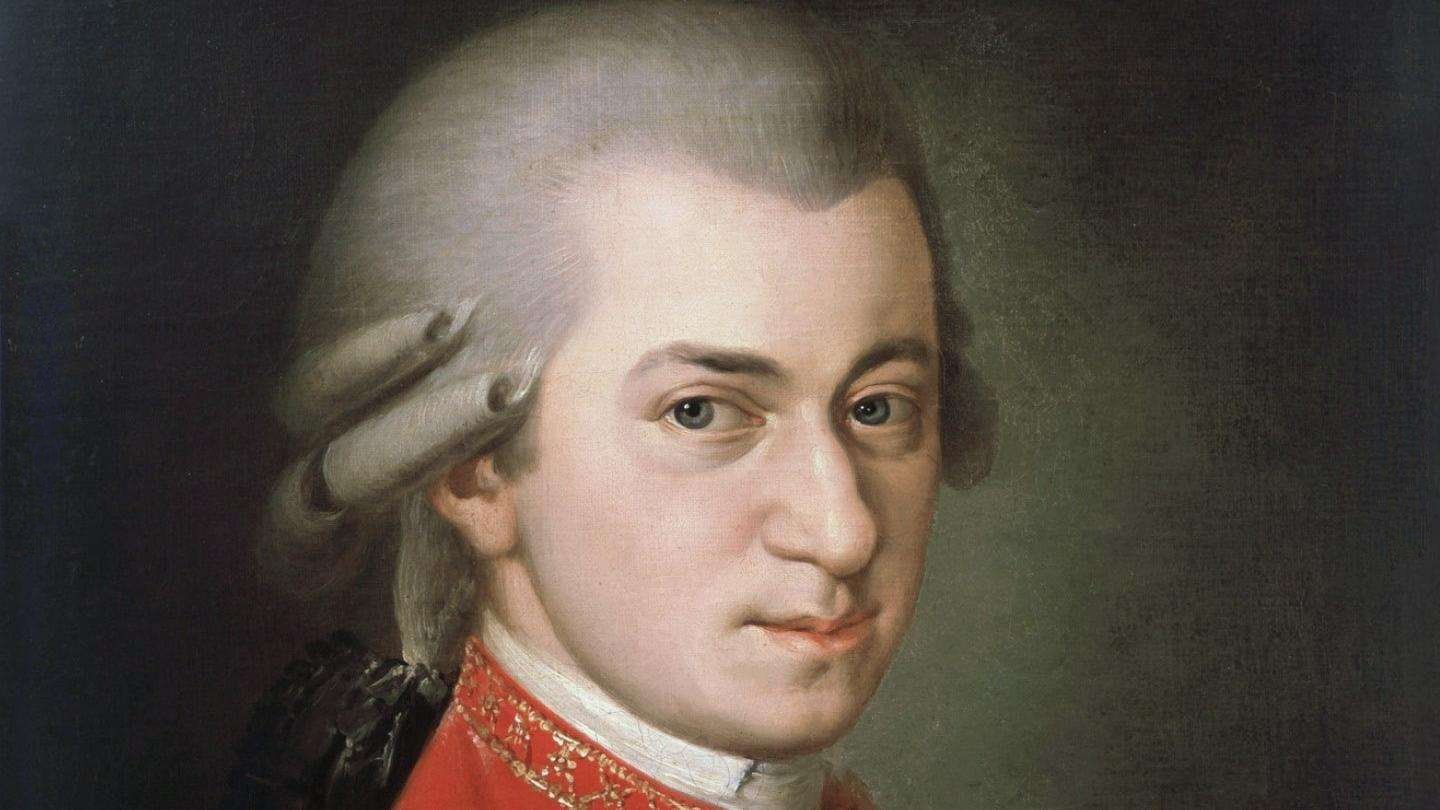
Wolfgang Amadeus Mozart 1756-1791
Wolfgang Amadeus Mozart 1756-1791, Mozart.Komponisten.at

Five Austrian composers laid the foundations of Western classical music between 1732 and 1899.

Wolfgang Amadeus Mozart: The Child Prodigy

Mozart started composing at age five and completed more than 800 works before dying at 35 (↱ Wikipedia: Wolfgang Amadeus Mozart). He mastered every genre of his time: symphonies, concertos, chamber music, opera and choral music. His final years produced masterpieces including his last three symphonies culminating in the Jupiter, the operas Le nozze di Figaro, Don Giovanni, Così fan tutte and Die Zauberflöte, and his unfinished Requiem.

Ludwig van Beethoven: The Revolutionary Composer

Beethoven bridged Classical and Romantic eras through works spanning 1792 to 1827. His middle “heroic” period introduced the Eroica Symphony, longer and larger than any previous symphony. He premiered his Third and Fifth Symphonies in 1804 and 1808 despite advancing deafness. His Ninth Symphony introduced human voices expressing joy and brotherhood in the finale.

Franz Schubert: The Master of Lieder

Schubert composed over 600 Lieder during his brief 31 years (↱ Wikipedia: Franz Schubert). His song cycles Die schöne Müllerin and Winterreise represent pinnacles of the art song tradition. He wrote eight songs in a single day in 1815.

Johann Strauss II: The Waltz King

Strauss composed about 500 dance pieces, 150 of them waltze. The Blue Danube, performed February 15, 1867, became Austria’s unofficial second national anthem.

Joseph Haydn: Father of the Symphony

Haydn wrote 104 symphonies and 68 string quartets between 1732 and 1809. Mozart called him his best friend, and Beethoven studied under him.

Experiencing Live Music in Austria Today
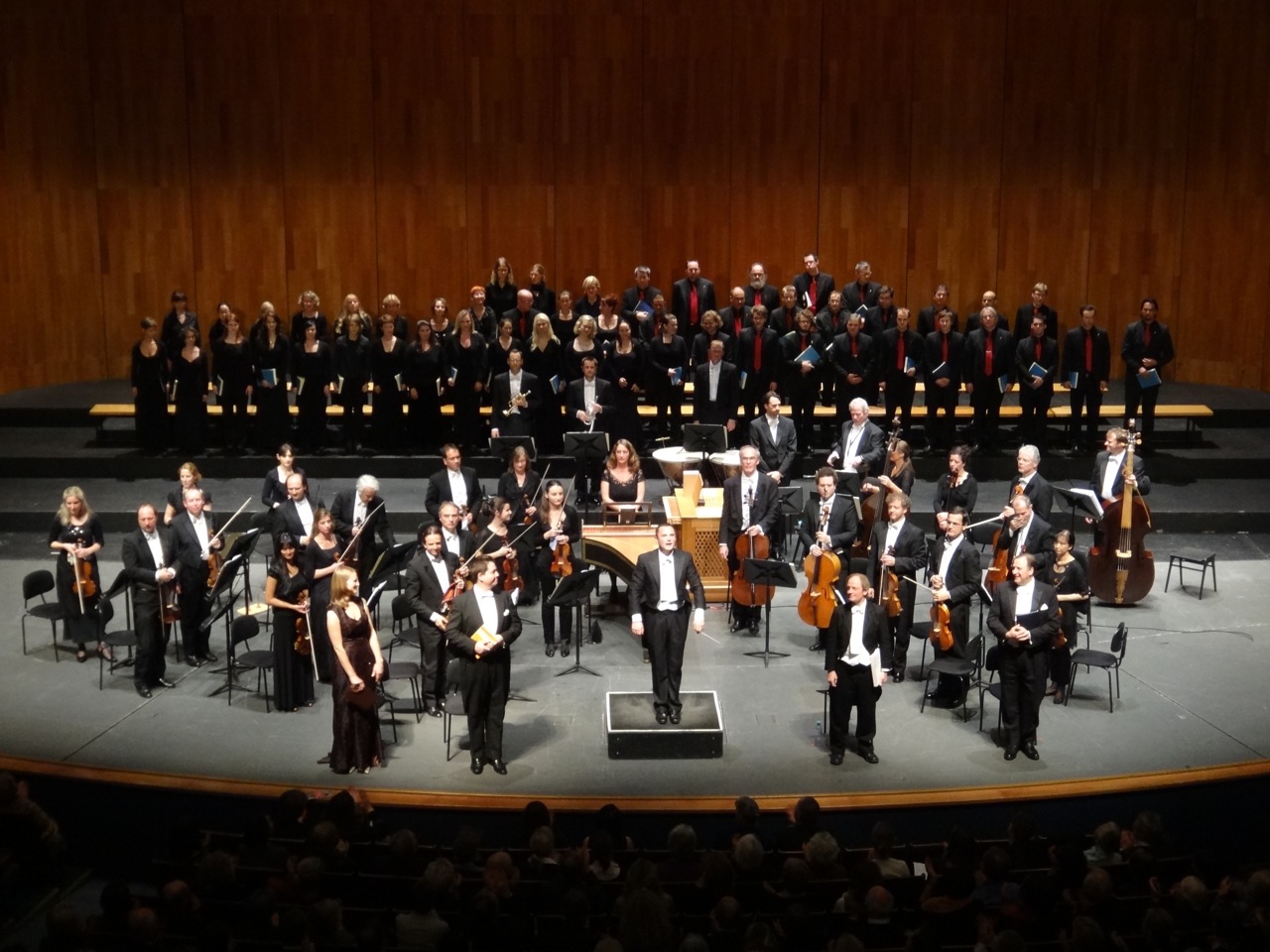
Salzburg, Großes Festspielhaus
Salzburg, Großes Festspielhaus. Salzburger Bachchor / Fotograf: Dr. Martin Weinkamer, CC BY-SA 3.0 DE, via Wikimedia Commons

Austria’s musical legacy continues through daily performances at historic and modern venues.

Classical Concerts in Historic Palaces and Churches

The Schönbrunn Palace Orangery hosts concerts at 8:30 PM. Mozart himself performed here in 1786. The Schönbrunn Palace Orchestra performs works by Mozart and Strauss with two opera singers. Orchestra 1756 presents Vivaldi’s Four Seasons on period instruments at Karlskirche. St. Peter’s Church offers free organ concerts each day, and a live orchestra performs during Sunday Mass at the Augustinian Church. Classical works fill St. Stephen’s Cathedral, St. Anne’s Church, and the Peterskirche with church concerts throughout the year.

Modern Festivals and Contemporary Music Scene

Wien Modern runs every November as Austria’s biggest contemporary music festival. The Danube Island Festival transforms a 4.5-kilometer site from June 20-22. More than 1,000 musicians perform on multiple stages. Klangspuren in Schwaz showcases contemporary music in unconventional venues like churches and factory halls.

Street Musicians and Spontaneous Performances

Vienna’s Kärntner Straße and Graben feature violinists and brass bands each day. Getreidegasse and areas near the Cathedral host trained musicians in Salzburg, often conservatory students.

Budget-Friendly Ways to Enjoy Austrian Music

Standing room tickets at the Staatsoper cost €10-18 and provide excellent views. The Summer Night Concert at Schönbrunn Palace is free.

Conclusion

Austria’s musical legacy lives on through its historic venues, from Salzburg’s Mozart museums to Vienna’s golden concert halls. Whether you attend the Salzburg Festival, catch a performance at the State Opera, or simply listen to street musicians on Getreidegasse, you’ll experience music in its purest form. Standing room tickets and free concerts are available, and you don’t need a large budget to find out why Austria remains the world’s music capital.

FAQs

Q1. How much time should a plan for visiting Mozart’s birthplace in Salzburg?
You should plan about an hour for your visit to Mozart’s Geburtshaus. The museum displays Mozart’s childhood violin, his clavichord (on which he composed The Magic Flute and Requiem), and his fortepiano from around 1782. The family lived in this third-floor apartment at No.9 Getreidegasse for 26 years before moving in 1773.

Q2. What is the best way to get affordable tickets to the Vienna State Opera?
Standing room tickets are the most budget-friendly option at the Vienna State Opera, costing between €10-18. These tickets go on sale approximately 80 minutes before the curtain rises and remain popular with both locals and visitors. Despite being standing room, they offer excellent views of the performances.

Q3. How many works did Mozart compose during his lifetime?
Mozart completed more than 800 works before his death at age 35. He started composing at just five years old and mastered every musical genre of his time, including symphonies, concertos, chamber music, opera, and choral music. His final years produced some of his greatest masterpieces, including his last three symphonies and several famous operas.

Q4. What makes the Golden Hall at Musikverein acoustically special?
The Golden Hall’s acoustics rank alongside Boston’s Symphony Hall and Amsterdam’s Concertgebouw, making it one of the finest concert venues in the world. The hall measures 49 meters long and seats 1,744 people plus standing room for 300. Hansen’s intuitive design created these exceptional acoustics when the venue opened in 1870, and it serves as the home of the Vienna Philharmonic Orchestra.

Q5. Are there free classical music performances available in Vienna?
Yes, several free options exist for experiencing classical music in Vienna. St. Peter’s Church offers free daily organ concerts, and you can hear a live orchestra during Sunday Mass at the Augustinian Church. The Summer Night Concert at Schönbrunn Palace is completely free, and street musicians regularly perform on Kärntner Straße and Graben throughout the city.

References & Links

Graz Historical Sites & Attractions

Salzburg: Where History Comes Alive

Royal Palace Tours in Austria

Old Town Salzburg Through Local Eyes: Where History Comes Alive (2026 Guide)

Festung Hohensalzburg

UNESCO added Old Town Salzburg to its World Heritage List in 1996 (↱ Historic Centre of the City of Salzburg). The reason becomes clear as you walk through cobbled streets where history comes to life. This Baroque masterpiece draws eight million visitors annually who come to experience its rich mixture of culture.

Most travelers know Salzburg’s Old Town as Mozart’s birthplace in 1756 or as a filming location for “The Sound of Music“. Yet this remarkable Austrian gem holds many more treasures to find. Local cafés and hidden courtyards away from tourist crowds make up some of Salzburg’s must-see spots beyond the famous landmarks.

My time in Old Town Salzburg led me to find the fascinating story of the city’s wealth. It came from “white gold” – salt mined since the Bronze Age. A single barrel of salt matched the value of an entire house back then. This wealth turned Salzburg into the fashionable Baroque city we see today. In this piece, I’ll show you how to experience this historic center through local eyes and reveal places where Salzburg’s past and present meet in unexpected ways.

Walking Through Centuries: Old Town Salzburg’s Historic Core

Salzburg
Salzburg

The majestic spires and domes of Salzburg rise against a stunning mountain backdrop, with the Hohensalzburg Fortress standing guard above it all. As already mentioned before, this remarkable city earned its place as Austria’s first UNESCO World Heritage Site in 1996. The city’s urban landscape remains incredibly well-preserved, showcasing its legacy as an exceptional ecclesiastical city-state.

The UNESCO World Heritage Old Town

The city’s layout tells a fascinating story of power dynamics between Prince-Archbishops and the local townspeople. Gothic architecture blends seamlessly with later styles to create a breathtaking cityscape. Two Italian masters, Vincenzo Scamozzi and Santino Solari, left their mark by transforming Salzburg into what many call one of Europe’s finest Baroque cities.

Getreidegasse: The Golden Lane

Old Town Salzburg’s famous Getreidegasse first appeared in records around 1150 as “Trabegasse”. The name’s origin comes from “traben” (to trot) rather than its current meaning of “Grain Lane”. Tall townhouses line this lively street, and their facades showcase beautiful wrought-iron guild signs. The street’s most famous address is Getreidegasse 9Mozart’s birthplace, where the musical genius came into the world in 1756.

Residenzplatz and the Cathedral Quarter

Prince-Archbishop Wolf Dietrich von Raitenau transformed the city’s landscape in 1587. He cleared 55 burgher houses and a cemetery to create the grand Residenzplatz. The square’s centerpiece, the Residenzbrunnen, built between 1656 and 1661, stands as the largest Baroque fountain in Central Europe (↱ Wikipedia Residenzplatz). The cathedral, Alte Residenz (Old Residence), and Neue Residenz with its distinctive bell tower surround this impressive plaza.

Residenzplatz, Salzburg
Residenzplatz, Salzburg. Barbara Marko-Bartilla, CC BY-SA 4.0, via Wikimedia Commons

Hidden Courtyards and Passageways

Old Town Salzburg holds secrets in its “through-houses” with their arcaded passageways connecting different streets. These corridors lead to charming hidden courtyards that feature historical crests, inscriptions, columns, and archways. These passages served a practical purpose too. Water from the Almkanal would flow through Getreidegasse, cleaning the street before draining into the Salzach River.

Where Locals Go: Beyond the Tourist Trail

The true heart of old town Salzburg beats beyond the tourist hotspots, in places where locals gather. These authentic corners show the city’s living character that most visitors never get to see.

Cafe Tomaselli Salzburg
Cafe Tomaselli Salzburg – Diego Delso, CC BY-SA 4.0, via Wikimedia Commons

Morning Coffee at Neighborhood Cafes

Café Tomaselli sits in the heart of Salzburg’s Old Town on the Alter Markt (↱ tomaselli.at). This 150-year old café remains Austria’s oldest, and the same family runs it to this day. Locals start their day at this historic spot that’s more than just another tourist attraction. A cherished tradition lives on through the “Kaffeedame” (coffee waitress) in her white pinafore. She serves amazing coffee specialties that have brought Salzburg’s social life together for generations. Coffee runs deep in Salzburg’s culture and gives people the perfect reason to laugh, share ideas, and chat with others around them.

The Market at Universitätsplatz

The vibrant Grünmarkt has brought life to Universitätsplatz under the Collegiate Church’s shadow for more than 150 years. Locals shop here for fresh bread, meat, fruits, and vegetables Monday through Friday (7am-7pm) and Saturdays (6am-3pm). Saturday mornings feel special as the market grows into Wiener-Philharmoniker-Gasse and Max-Reinhardt-Platz. Stands open at 6am while the city slowly wakes up. Salzburgers of all ages flock to this lively marketplace, especially on weekends (↱ Take a look at Google Maps).

Tucked-Away Artisan Shops

Schlosserei Wieber Salzburg
Foto: Schlosserei Wieber Salzburg

Narrow lanes of old town Salzburg hide workshops where age-old crafts still thrive. The “Schafmannhaus” sits in a hidden courtyard off Getreidegasse, where a master-smith’s workshop feels like a step back in time. The 600-year old Schlosserei Wieber metalworking shop and the 12th-century Stiftsbäckerei St. Peter bakery keep their ancient traditions alive. Johann Mayer’s button shop at Rathausplatz No. 1, 264 years old, holds a wealth of treasures with over 3,000 different buttons stored in boxes bound with elastic bands.

Evening Strolls Along the Salzach

Locals love walking along the Salzach River promenades as day turns to night. City lights reflect on the water while buzzing cafés and the softly lit fortress create a magical, peaceful mood. Beautiful views of old town and the fortress appear near the Müllnersteg bridge.

St. Peter’s Cemetery: A Peaceful Retreat

St. Peter’s Cemetery dates back to late antiquity and predates the archabbey. Many know this site from “The Sound of Music” (↱ Youtube: “The Sound of Music” Cementery Scene), but locals find peace here among its late-Gothic Margarethenkapelle. St. Sebastian’s Cemetery along Linzer Gasse offers an even quieter space with its weathered headstones and shady arcades.

Living History: Old Town’s Cultural Heartbeat

Salzburg’s culture flows through its atmospheric lanes, far beyond museum walls. The city pulses with vibrant traditions that locals embrace every day in venues both grand and intimate.

Classical Music in Intimate Venues

Mozart’s music lives on throughout old town Salzburg. Historic spaces ring with centuries of musical excellence through regular performances. The Marble Hall of Mirabell Palace, where the Mozart family played for archbishops, now hosts beautiful chamber concerts (↱ Wikipedia: Mirabell Palace). The Mozarteum Foundation and historic concert halls in the Festival District provide exceptional acoustic experiences in atmospheric settings.

Traditional Gasthauses Still Serving Locals

St. Peter Stiftskulinarium (↱ St. Peter Stiftskulinarium), Europe’s 1220-year-old restaurant established in 803, shows Salzburg’s enduring food heritage. Gasthaus Zum Wilden Mann has been a fixture in Getreidegasse for over 160 years and serves authentic Austrian dishes. These places preserve family recipes through generations and create dining experiences that surpass time.

Christkindlmarkt Salzburg
Christkindlmarkt Salzburg, Salzburger Nockerl, CC BY-SA 4.0, via Wikimedia Commons

Seasonal Festivals and Markets

The old town becomes an enchanted wonderland during Salzburg’s Christmas markets, which started in 1491. Cathedral and Residenz Square host the Christkindlmarkt until January. Hellbrunn adds magic with its Advent experience, torchlit paths and reindeer sledge rides. The digital world captures Altstadt’s soul year-round through music events, food gatherings, and design festivals.

The Monastic Brewing Tradition

Augustiner Bräu founded by Augustinian monks in 1621 keeps its 400-year-old brewing techniques alive. The brewery uses traditional methods and Austria’s last remaining traditional cooling vessel for uncovered cooling. Its massive 5,000-square-meter beer hall and beautiful chestnut garden welcome over 600,000 visitors each year.

Practical Tips for Experiencing Old Town Like a Local

A local’s perspective can transform your experience of old town Salzburg. The right timing and some insider tips will help you discover its authentic charm away from tourist crowds.

Best Times to Visit Each Area

The perfect time to visit is between September and October when crowds thin out and temperatures stay comfortable. Budget-conscious travelers should aim for mid-January through March as the city becomes wonderfully quiet. You’ll find Getreidegasse most accessible before 11am when delivery vehicles can still enter. The fortress gate stays open an extra hour or two after closing time, letting you explore without paying.

Getting Around the Pedestrian Zones

Old town’s layout makes walking a breeze – you can stroll from Mirabell Garden to Hohensalzburg Fortress in just 10-15 minutes. The city restricts access after 11am to residents with permits and taxis through retractable bollards. Your best entry points are through pedestrian entrances at Toskaninihof, Neutor, Bürgerspitalplatz, or Mönchsberg Lift.

Where to Find Authentic Austrian Food

St. Peter Stiftskulinarium, a 1220-year-old restaurant (since 803), blends amazing gourmet dishes with a wonderful atmosphere. Zwettler’s daily menu works great as an affordable lunch option. Locals love Strobl Stüberl (↱ Google Maps), which serves delicious food until 2am. Stadtalm pairs stunning views with genuine Austrian home cooking.

Avoiding the Crowds at Major Sites

Smart travelers visit popular spots right before closing time. The city feels different before 10am, before tour groups arrive. Spring (April-May) and fall (September-October) bring fewer tourists and better experiences.

Budget-Friendly Local Experiences

The city center gives you free access to amazing hikes on Mönchsberg or Kapuzinerberg. Old town’s 20-plus churches welcome visitors without entrance fees. Music lovers can enjoy free rehearsals instead of paid concerts. A Salzburg Card costs € 35,- for 24 hours (as of Feb 2026) and covers public transport and major attractions.

Conclusion

Old Town Salzburg feels like a living museum where history meets modern life naturally. My walks through the city showed me there’s much more to this place than just Mozart and The Sound of Music. The city has remarkable depth and character.

This UNESCO World Heritage site rewards people who look beyond the usual tourist spots. The majestic Hohensalzburg Fortress and historic Getreidegasse deserve all their fame. The hidden courtyards and arcaded passageways are just as fascinating. They show off Salzburg’s architectural brilliance and daily life through the ages.

The city’s magic comes from its people who keep centuries-old traditions alive. You’ll see it in the morning coffee ritual at Café Tomaselli, weekend shopping at Universitätsplatz market, and evening gatherings at Augustiner Bräu. These moments connect you to Salzburg’s real heartbeat.

Each season brings a new side of the city. Smart planning can make your visit even better. The fall sees fewer tourists and nice weather. Early mornings offer quiet moments to yourself, even during peak season.

Salzburg gives its best to people who love to explore. Walking around without plans often leads to amazing finds. You might meet an artisan using age-old techniques or find a local café where residents gather to chat about their day.

My time here taught me that Old Town Salzburg isn’t stuck in the past – it runs on residents’ respect for heritage while embracing today’s world. This special mix creates a unique feeling. Every cobblestone and baroque façade adds to a story that keeps growing.

If you visit this amazing city, take it slow. Find a café, watch people walk by, and become part of Salzburg’s story. The city has welcomed visitors for hundreds of years and keeps its special character through it all.

FAQs

Q1. When is the ideal time to explore Salzburg?
The best time to visit Salzburg is during the shoulder seasons of April to June and September to October. These months offer mild weather and fewer crowds, allowing for a more enjoyable exploration of the city’s baroque architecture and scenic landscapes.

Q2. What are the must-see attractions in Salzburg’s Old Town?
Key attractions include the Hohensalzburg Fortress, Mozart’s birthplace on Getreidegasse, the Salzburg Cathedral, Mirabell Palace, and St. Peter’s Abbey. Don’t miss the hidden courtyards, traditional markets, and the scenic walks along the Salzach River for a more authentic experience.

Q3. Which area is recommended for accommodation in Salzburg?
The Old Town (Altstadt) is the best area to stay in Salzburg. It’s centrally located, allowing easy access to major attractions, restaurants, and shops. The area is rich in history and provides an immersive experience in Salzburg’s cultural heritage.

Q4. Is Salzburg’s Old Town easily navigable on foot?
Yes, Salzburg’s Old Town is extremely walkable. Most attractions are within a 10-15 minute walk of each other. The pedestrian-friendly zones make it easy to explore the narrow streets, historic buildings, and charming squares at a leisurely pace.

Q5. How can visitors experience Salzburg like a local?
To experience Salzburg like a local, start your day with coffee at a neighborhood café like Café Tomaselli, shop at the Grünmarkt on Universitätsplatz, explore artisan shops in hidden courtyards, take evening strolls along the Salzach River, and enjoy traditional Austrian cuisine at authentic Gasthauses like St. Peter Stiftskulinarium or Gasthaus Zum Wilden Mann.

Links

Scroll to top