The Sound of Austria: From Mozart’s Birthplace to the Vienna State Opera
Austrian composers have shaped classical music in ways few other nations can claim, with legends including Mozart, Beethoven, Haydn, Schubert, and Strauss calling this country home. Vienna has celebrated its reputation as the City of Music for over 250 years, while Salzburg, Mozart’s birthplace, puts on more than 2,000 classical performances in its palaces and churches annually. This piece will take you through Austria’s most important musical landmarks, from the Vienna State Opera to Mozart’s birthplace in Salzburg. We’ll explore the lives of famous Austrian composers and find where to experience live performances today. You’ll understand why Austria remains the world’s music capital.
Salzburg: Mozart’s Birthplace and Musical Heritage
Walking through Salzburg feels like stepping into a living symphony. This alpine city has nurtured musical genius for centuries. You can still sense that creative energy in its cobblestone streets and concert halls.
Mozart’s Geburtshaus: Where It All Began
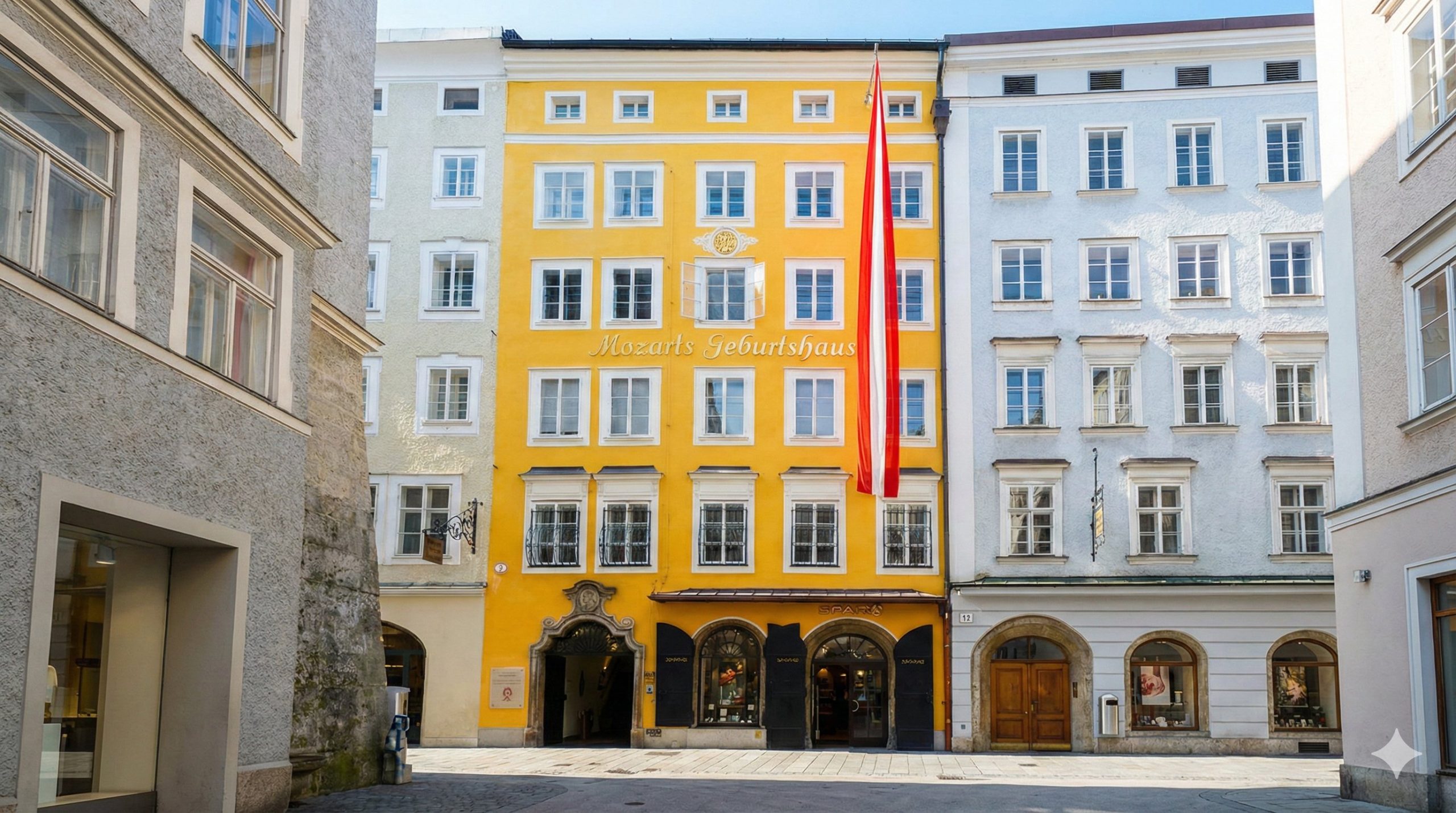
Wolfgang Amadeus Mozart entered the world on January 27, 1756 in the Getreidegasse 9. His family occupied this space for 26 years before moving in 1773. The building has operated as a museum since 1880 and draws visitors who want to connect with Mozart’s early life.
The museum houses Mozart’s actual instruments. You’ll find his childhood violin crafted by Salzburg court luthier Andreas Ferdinand Mayr in the 1740s. His clavichord sits behind glass with handwritten note from his widow Constanze. The note explains how Mozart composed The Magic Flute, La clemenza di Tito, and the Requiem on this very instrument. The collection has his fortepiano built around 1782 by Anton Walter, which Mozart used for public performances in Vienna. Plan about an hour for your visit.
Salzburg Cathedral and Historic Performance Venues
Salzburg Cathedral represents more than architectural grandeur. This sacred space witnessed Mozart’s baptism in 1756 and later hired his father Leopold Mozart with composer Michael Haydn. The cathedral continues hosting concerts and transforms into a performance venue where choirs and orchestras play from the choir platform in the cupola room. The Festival District venues like Grosses Festspielhaus, Haus für Mozart and Felsenreitschule create atmospheric settings for classical performances.
The Salzburg Festival:. Summer of World-Class Music
Founded in 1920, the Salzburg Festival runs for five weeks each summer. Performances span from July 17 to August 30 in 2026. The festival gets €27 million in ticket sales each year and creates €183 million in total economic value (↱ Wikipedia Salzburg Festival) for Salzburg while securing 2,800 full-time jobs. The Vienna Philharmonic Orchestra performs five concert programs under conductors like Gustavo Dudamel and Riccardo Muti. Opera highlights have Mozart’s Così fan tutte, Richard Strauss’ Ariadne auf Naxos and Georges Bizet’s Carmen.
Sound of Music Sites and Their Musical Legacy
More than 350,000 Sound of Music fans visit Salzburg each year. Filming took place in 1964 at a variety of locations. Mirabell Garden served as the spot where Maria and the children danced. Leopoldskron Palace represented the von Trapp home’s exterior. Hellbrunn Palace hosted singing scenes, and Nonnberg Monastery showed where Maria lived as a novice. These sites blend cinematic history with Austria’s authentic musical heritage. (↱ Youtube: “The Sound of Music”)
Vienna: The World’s Music Capital
Vienna earns its title as the world’s music capital through venues that have defined classical performance for over 150 years.
Vienna State Opera: The Crown Jewel of Classical Music
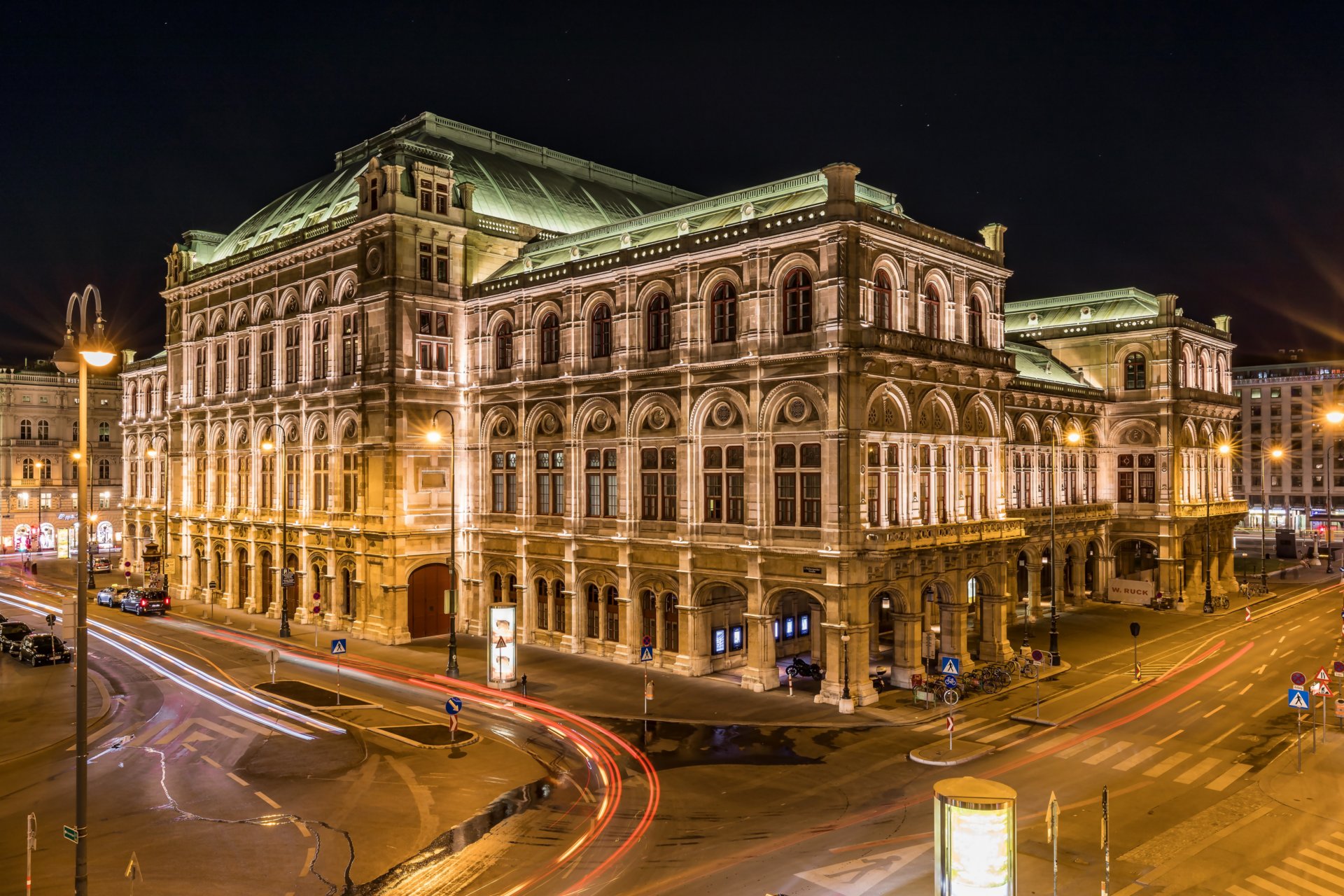
The Vienna State Opera opened in 1869 (↱ Wikipedia: Vienna State Opera) with Mozart’s Don Giovanni and became the first major building on the Vienna Ring Road. This 1,709-seat Renaissance Revival venue operates as the world’s largest repertoire company and produces 50 to 60 operas and ten ballet productions across more than 350 performances each year. The opera employs over 1,000 people and maintains a unique system where you’ll often find a different opera performed each day of the week.
Guided tours run 40 minutes. They take you up the grand staircase through ceremonial rooms that include the tea salon, marble hall, and Gustav Mahler Hall before reaching the auditorium. Adult tickets cost about €15, with tours available in German and English. Standing room tickets go on sale about 80 minutes before curtain for €10 and remain popular with locals and visitors alike.
Musikverein and the Golden Hall
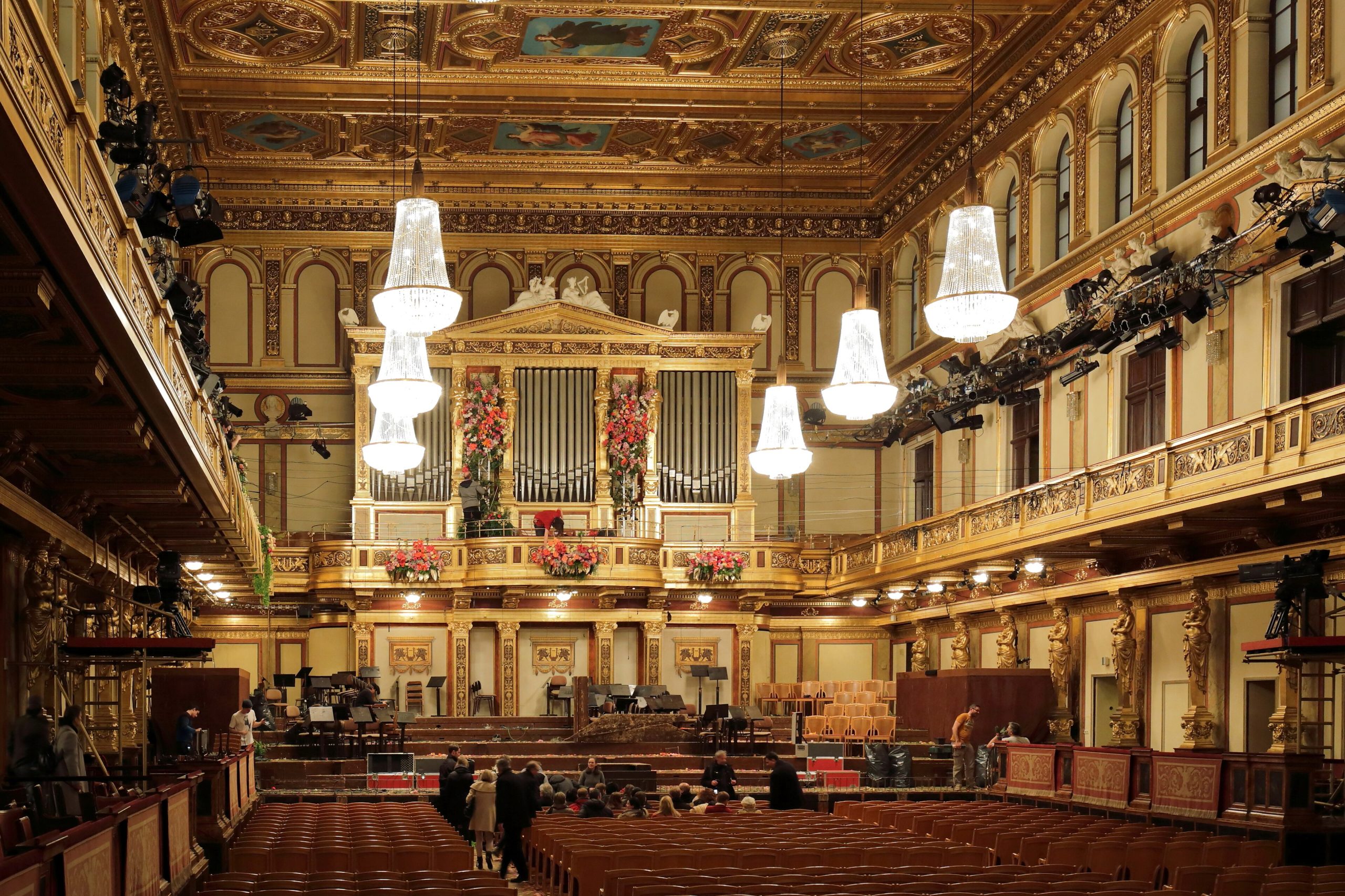
Emperor Franz Joseph inaugurated the Musikverein in 1870, one year after the State Opera opened. The Golden Hall measures 49 meters long with 1,744 seats plus standing room for 300. Hansen’s design created acoustics that rank alongside Boston’s Symphony Hall and Amsterdam’s Concertgebouw. The Vienna Philharmonic calls this venue home. Their New Year’s Concert broadcasts worldwide from the Golden Hall each January.
Haus der Musik: An Interactive Experience Through Sound
This interactive sound museum opened in 2000 in the Palace of Archduke Charles. It spans 54,000 square feet across four floors. You can conduct a video projection of the Vienna Philharmonic, compose your own waltz through a dice game, or walk on a musical staircase where each step plays a note. Dedicated rooms showcase Haydn, Mozart, Beethoven, Schubert, Strauss, and Mahler with period instruments and personal items.
Composer Homes: Walking in the Footsteps of Legends
The City of Vienna operates eight composer museums that include three dedicated to Beethoven, two to Schubert, and one each to Mozart, Strauss, and Haydn. Mozarthaus Vienna occupies his 1784-1787 residence where he composed The Marriage of Figaro.
Famous Austrian Composers Who Shaped Classical Music
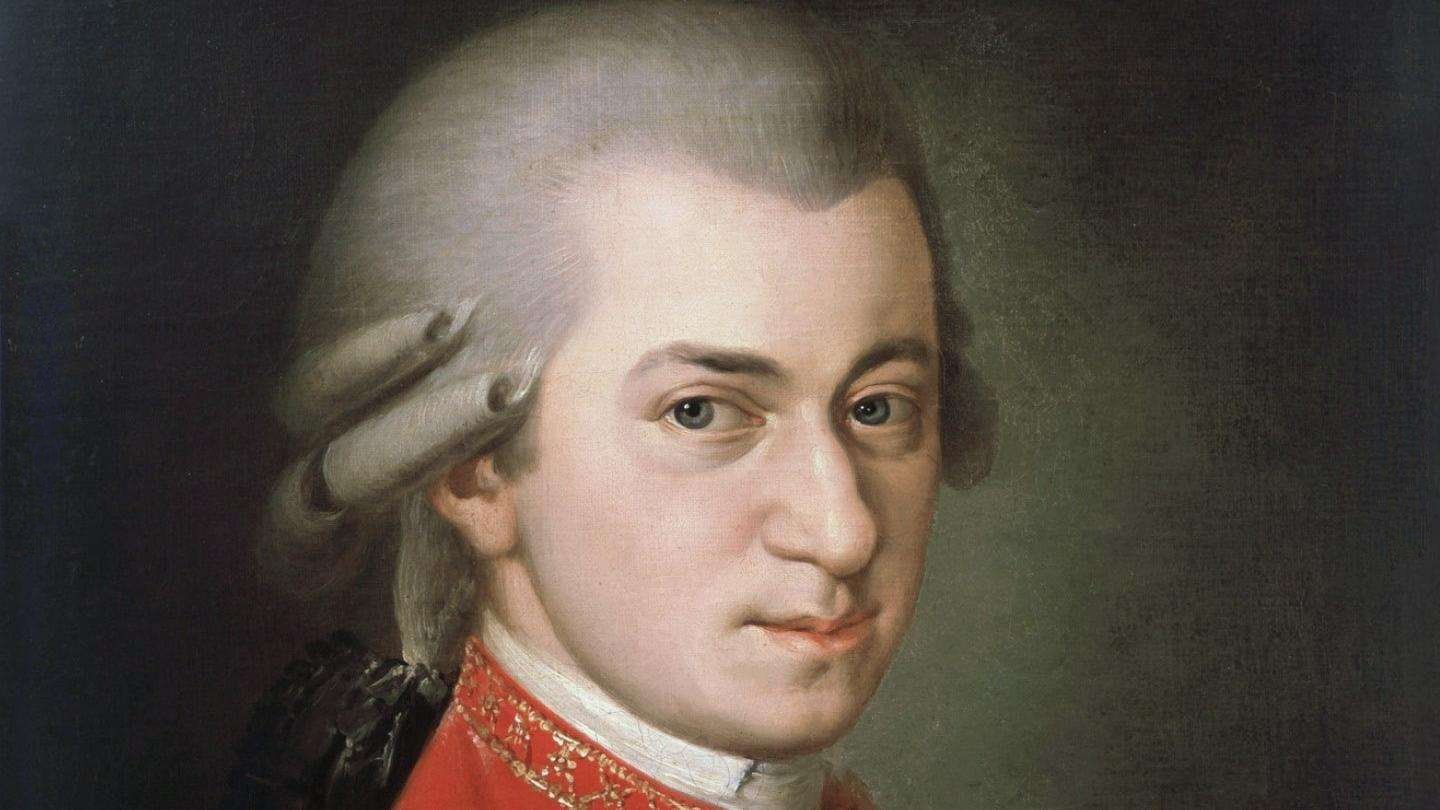
Five Austrian composers laid the foundations of Western classical music between 1732 and 1899.
Wolfgang Amadeus Mozart: The Child Prodigy
Mozart started composing at age five and completed more than 800 works before dying at 35 (↱ Wikipedia: Wolfgang Amadeus Mozart). He mastered every genre of his time: symphonies, concertos, chamber music, opera and choral music. His final years produced masterpieces including his last three symphonies culminating in the Jupiter, the operas Le nozze di Figaro, Don Giovanni, Così fan tutte and Die Zauberflöte, and his unfinished Requiem.
Ludwig van Beethoven: The Revolutionary Composer
Beethoven bridged Classical and Romantic eras through works spanning 1792 to 1827. His middle “heroic” period introduced the Eroica Symphony, longer and larger than any previous symphony. He premiered his Third and Fifth Symphonies in 1804 and 1808 despite advancing deafness. His Ninth Symphony introduced human voices expressing joy and brotherhood in the finale.
Franz Schubert: The Master of Lieder
Schubert composed over 600 Lieder during his brief 31 years (↱ Wikipedia: Franz Schubert). His song cycles Die schöne Müllerin and Winterreise represent pinnacles of the art song tradition. He wrote eight songs in a single day in 1815.
Johann Strauss II: The Waltz King
Strauss composed about 500 dance pieces, 150 of them waltze. The Blue Danube, performed February 15, 1867, became Austria’s unofficial second national anthem.
Joseph Haydn: Father of the Symphony
Haydn wrote 104 symphonies and 68 string quartets between 1732 and 1809. Mozart called him his best friend, and Beethoven studied under him.
Experiencing Live Music in Austria Today
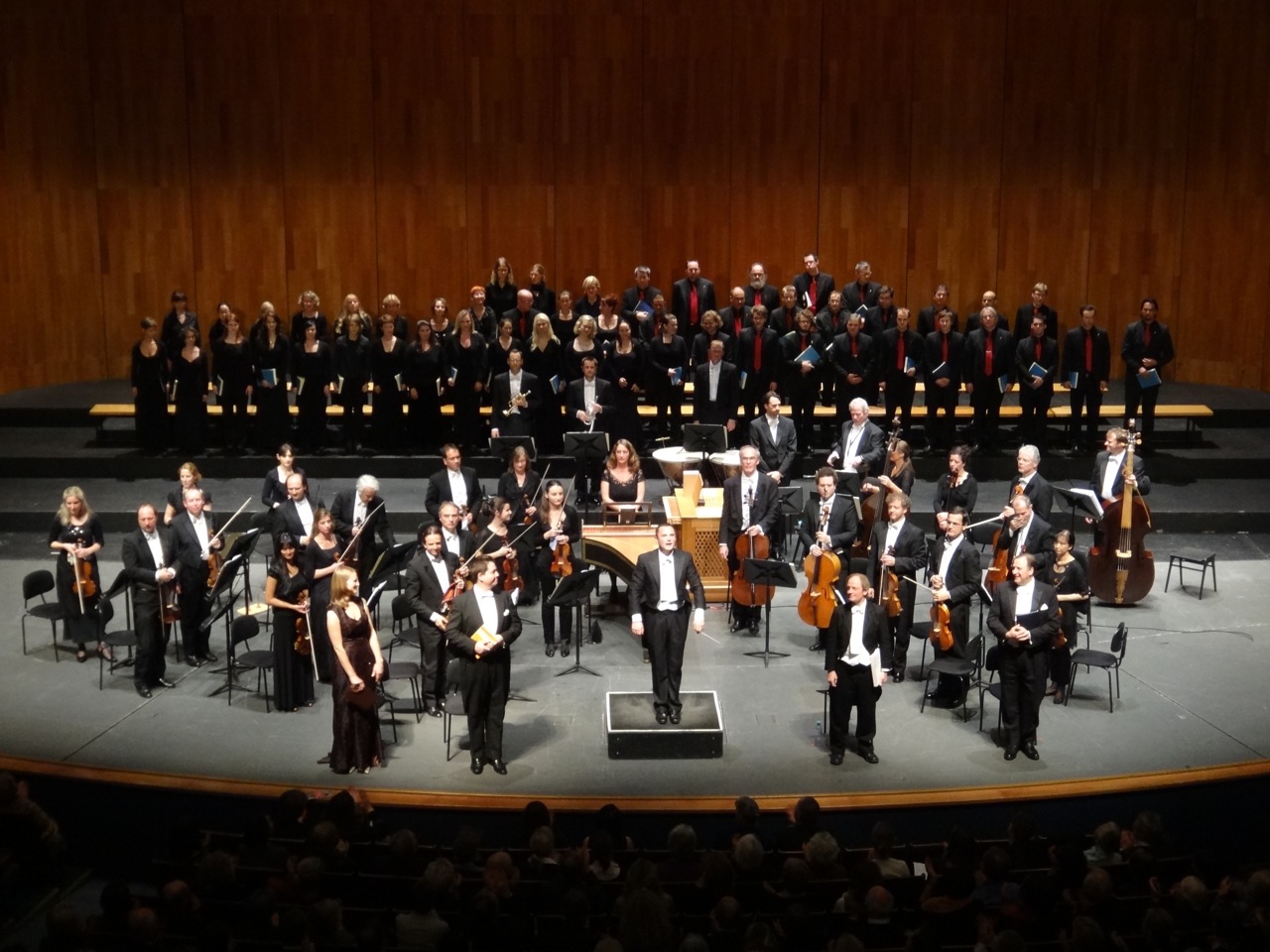
Austria’s musical legacy continues through daily performances at historic and modern venues.
Classical Concerts in Historic Palaces and Churches
The Schönbrunn Palace Orangery hosts concerts at 8:30 PM. Mozart himself performed here in 1786. The Schönbrunn Palace Orchestra performs works by Mozart and Strauss with two opera singers. Orchestra 1756 presents Vivaldi’s Four Seasons on period instruments at Karlskirche. St. Peter’s Church offers free organ concerts each day, and a live orchestra performs during Sunday Mass at the Augustinian Church. Classical works fill St. Stephen’s Cathedral, St. Anne’s Church, and the Peterskirche with church concerts throughout the year.
Modern Festivals and Contemporary Music Scene
Wien Modern runs every November as Austria’s biggest contemporary music festival. The Danube Island Festival transforms a 4.5-kilometer site from June 20-22. More than 1,000 musicians perform on multiple stages. Klangspuren in Schwaz showcases contemporary music in unconventional venues like churches and factory halls.
Street Musicians and Spontaneous Performances
Vienna’s Kärntner Straße and Graben feature violinists and brass bands each day. Getreidegasse and areas near the Cathedral host trained musicians in Salzburg, often conservatory students.
Budget-Friendly Ways to Enjoy Austrian Music
Standing room tickets at the Staatsoper cost €10-18 and provide excellent views. The Summer Night Concert at Schönbrunn Palace is free.
Conclusion
Austria’s musical legacy lives on through its historic venues, from Salzburg’s Mozart museums to Vienna’s golden concert halls. Whether you attend the Salzburg Festival, catch a performance at the State Opera, or simply listen to street musicians on Getreidegasse, you’ll experience music in its purest form. Standing room tickets and free concerts are available, and you don’t need a large budget to find out why Austria remains the world’s music capital.
FAQs
Q1. How much time should a plan for visiting Mozart’s birthplace in Salzburg?
You should plan about an hour for your visit to Mozart’s Geburtshaus. The museum displays Mozart’s childhood violin, his clavichord (on which he composed The Magic Flute and Requiem), and his fortepiano from around 1782. The family lived in this third-floor apartment at No.9 Getreidegasse for 26 years before moving in 1773.
Q2. What is the best way to get affordable tickets to the Vienna State Opera?
Standing room tickets are the most budget-friendly option at the Vienna State Opera, costing between €10-18. These tickets go on sale approximately 80 minutes before the curtain rises and remain popular with both locals and visitors. Despite being standing room, they offer excellent views of the performances.
Q3. How many works did Mozart compose during his lifetime?
Mozart completed more than 800 works before his death at age 35. He started composing at just five years old and mastered every musical genre of his time, including symphonies, concertos, chamber music, opera, and choral music. His final years produced some of his greatest masterpieces, including his last three symphonies and several famous operas.
Q4. What makes the Golden Hall at Musikverein acoustically special?
The Golden Hall’s acoustics rank alongside Boston’s Symphony Hall and Amsterdam’s Concertgebouw, making it one of the finest concert venues in the world. The hall measures 49 meters long and seats 1,744 people plus standing room for 300. Hansen’s intuitive design created these exceptional acoustics when the venue opened in 1870, and it serves as the home of the Vienna Philharmonic Orchestra.
Q5. Are there free classical music performances available in Vienna?
Yes, several free options exist for experiencing classical music in Vienna. St. Peter’s Church offers free daily organ concerts, and you can hear a live orchestra during Sunday Mass at the Augustinian Church. The Summer Night Concert at Schönbrunn Palace is completely free, and street musicians regularly perform on Kärntner Straße and Graben throughout the city.
References & Links
- Contemporary Music in Austria
- Wikipedia: Vienna State Opera
- Vienna Mozart Orchestra
- Vienna State Opera
- House of Music
- Wikipedia: Haus der Musik
- Wikipedia: Franz Schubert
- Wikipedia: Ludwig van Beethoven
- Wikipedia: Joseph Haydn
- Wikipedia: Wolfgang Amadeus Mozart
- Wikipedia: Musikverein
- Schoenbrunn.at
Graz Historical Sites & Attractions